

Catching the Best While Dodging the Worst: Weather Monitoring for Outdoor Education and Adventure Programming
Risk ManagementMaps cover the floor like carpet. I’m perched on the edge of a couch in the back room of a surf shop, watching the Weather Channel. I jot down timing, wind speed and direction, barometric pressure, tides, and air and water temps. Then I study the maps and place pebbles where I might score big winter swells.
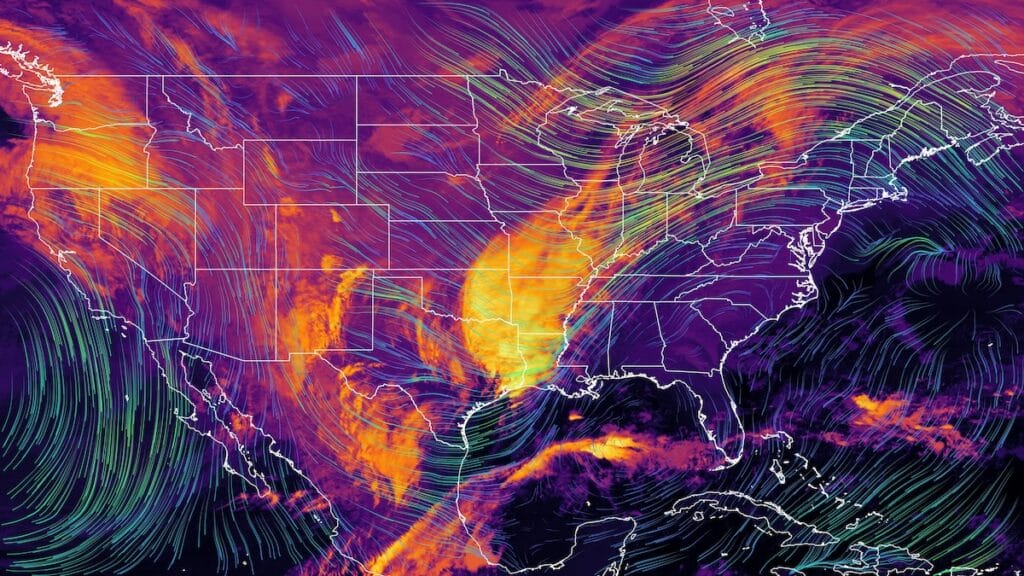
My objective is simple: maximize fun while reducing risk.
Thoughtful weather monitoring plays a central role in that. It helps identify, analyze, and reduce risks tied to changing conditions by combining real-time data, historical patterns, and forecast trends. For organizations like The National Center for Outdoor & Adventure Education (NCOAE), it supports preparation, protects operations, and, most importantly, keeps participants safe.
Over the years at NCOAE, I’ve thoughtfully pushed myself and others with similar skills right to the edge of our comfort zones. From that experience, I built a three-tier framework to assess and reduce weather-related risk. This post breaks it down.
The Three-Tier Framework
Before heading out, I run every trip through a simple framework that keeps my decisions grounded and intentional. It helps me stay focused on what matters most: making the most of the experience while staying prepared for what could go wrong.
Here’s the framework:
(more…)Everyday Carry in Wilderness Medicine
Expedition MindsetBackcountry travel and wilderness recreation means traveling light while having everything we need to survive. A small problem like a deep cut or a sudden change in weather can quickly become an emergency when civilization is miles away.
That’s why wilderness medicine starts long before anything goes wrong. It starts with what you carry.
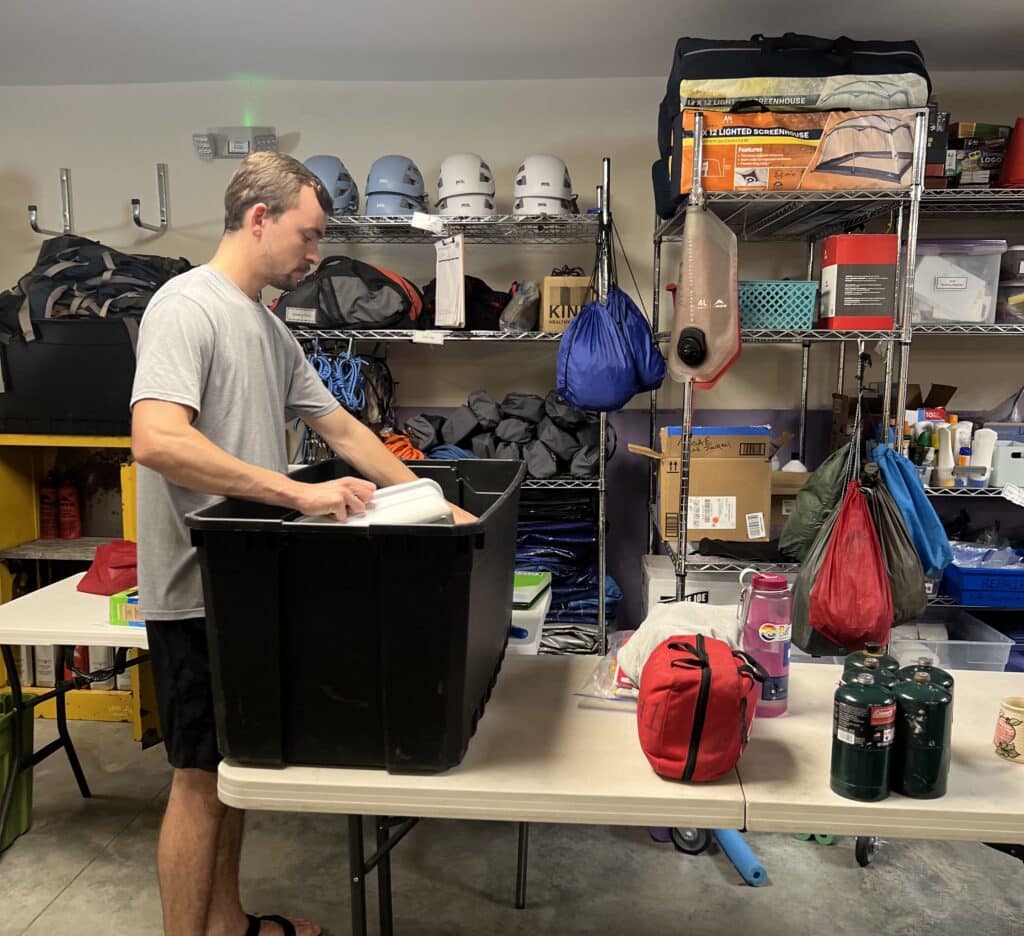
Everyday carry (EDC) is a popular topic of conversation among those in the self-defense and prepper communities, from which the term was born. In the world of wilderness medicine, EDC — or Echo Delta Charlie for those of you with phonetic alphabet experience — refers to the carefully selected tools and supplies you keep with you at all times to respond to injuries and illness that can occur in remote wilderness and backcountry settings.
In this NCOAE blog post, I explore the essential items you may want to include in your wilderness EDC and explains how a few well-chosen items can make a big difference when you’re far from help.
Think of EDC as a less formal wilderness first aid kit. Some EDC items are on “your person” meaning in clothes pockets and on a pants belt. Other items may be in a “go bag” that you always have with you. Your EDC’s contents, comprehension, and container will be personalized based on your expectations, risk tolerance, and how light you prefer to travel.
Building an ‘Expedition Every Day’ Mindset
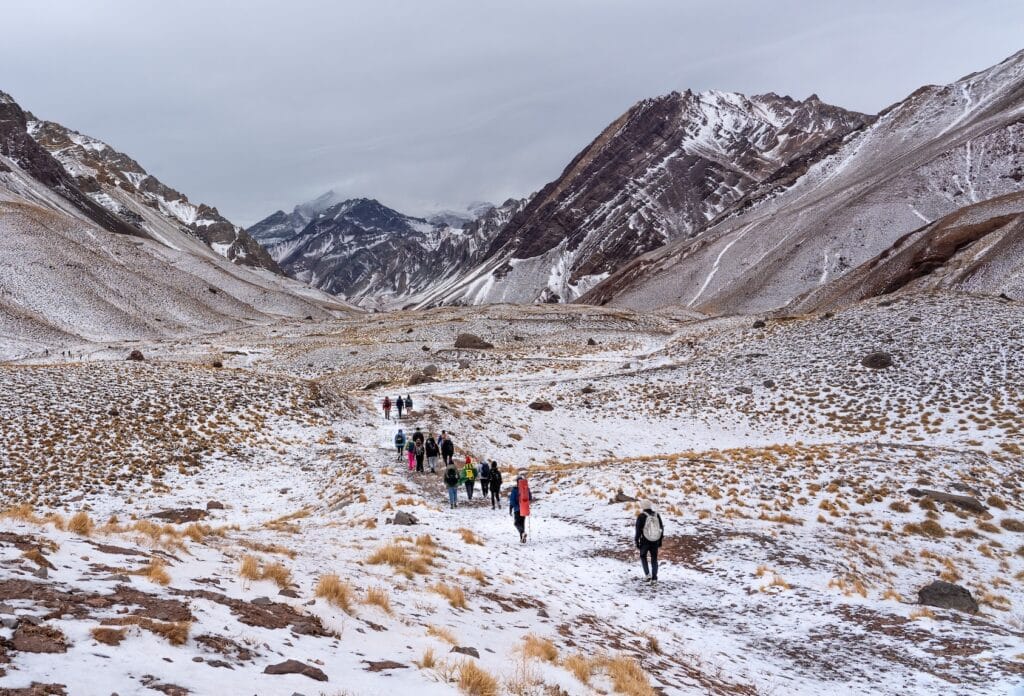
Expedition MindsetBy definition, an expedition is quite a big deal. Typically, it involves a crew of people, covers a lot of territory, and lasts for weeks, sometimes months. Several examples come to mind. There’s Columbus’ first voyage to discover a western passage to China in 1492, Lewis and Clark’s Corps of Discovery Expedition from 1804 to 1806, Earnest Shackleton’s Imperial Trans-Antarctic Expedition from 1914 to 1917, and the Apollo 11 moon mission in 1969 to name a few.
I’ve been on a number of weeks-long expeditions with groups of various sizes, so I’m well aware of the planning and preparation that a successful wilderness expedition demands. The way I see it, the expedition is the culmination of that planning and preparation.
The preparation required comes in several layers:
- Physical fitness
- Mental acuity and resilience
- Equipment and supplies
Life’s demands don’t always leave me the time and resources to engage in lengthy expeditions, but I have still managed to practice an expedition lifestyle by incorporating micro-expeditions into my daily routine. This has allowed me to build what I like to refer to as an Expedition Every Day mindset. Not only does this practice satisfy (to some degree) my constant yearning for adventure, discovery, physical challenge, and time outdoors, but it also prepares me for more complex, challenging, and lengthy expeditions. You know, the ones that take me outside my comfort zone.
I encourage you to build an Expedition Every Day mindset of your own, and in this post, I explain how to do just that, drawing examples from my own expedition lifestyle experiences with biking, hiking, and photography.
The purpose of building an Expedition Every Day mindset is to prepare yourself for expeditions that take you outside your comfort zone. However, micro-expeditions also have intrinsic value — they keep you physically fit, mentally sharp, and in tune with your equipment. And, of course, they guarantee you’re spending some time each day outdoors.
TALK TO US
Have any further questions about our courses, what you’ll learn, or what else to expect? Contact us, we’re here to help!