

Administering Oxygen: What Every EMT Must Know
Emergency MedicineProperly operating an oxygen cylinder is among the first hands-on skills every EMT student learns in training. On the surface, it looks simple enough: Just attach the regulator, open the valve, and boom! You’re good to go.
But the apparent simplicity of the operation can be deceiving. For instance:
- A damaged O-ring can cause a leak.
- An unsecured cylinder can become a dangerous projectile.
- Failing to check tank pressure can leave you without oxygen just when your patient needs it most.
Whether you’re a medic in an ambulance or providing care in the backcountry, knowing how to safely set up and operate an oxygen cylinder is a foundational emergency medicine skill. This post brings you up to speed on the fundamentals of administering oxygen.
Oxygen Is Medication: While oxygen may be readily available, that doesn’t mean every patient needs it. It’s a medication that should be administered only when clinically indicated and according to current protocols and each patient’s needs. Before any of that can happen, however, you need to get the oxygen safely from the cylinder to the patient.
When Administering Oxygen, Safety Comes First
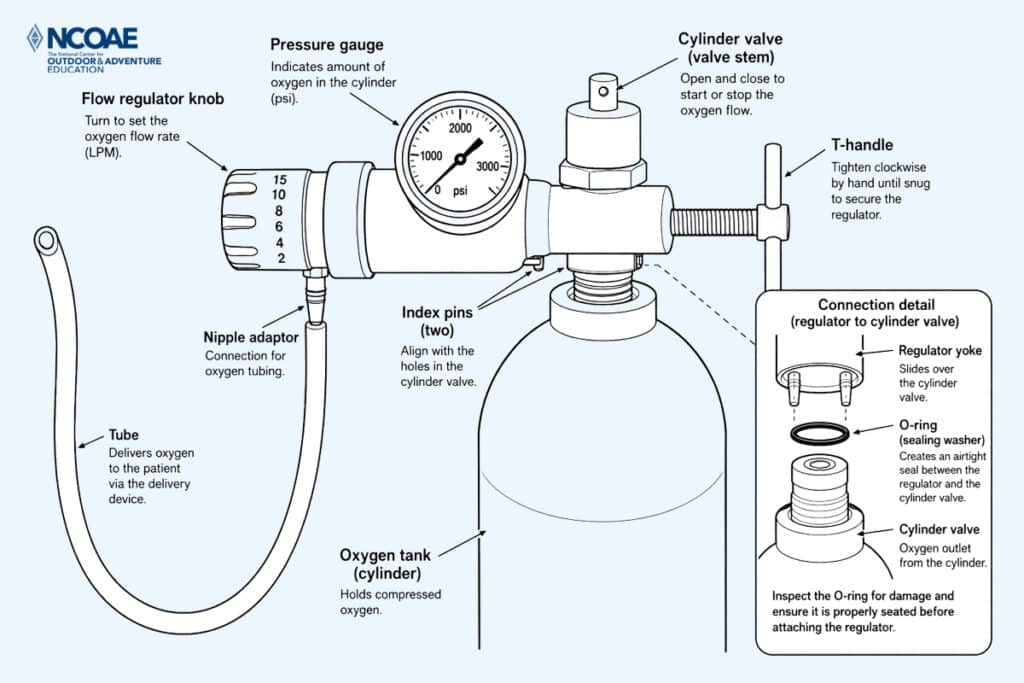
All of us learned in middle school science that oxygen makes fire burn faster, so whenever you’re working around concentrated oxygen, take the following precautions: (more…)
Risk Management Starts Way Before Something Goes Wrong
Principles of Risk ManagementEditor’s Note: This post begins our Risk Management series, created for anyone who wants to better understand how thoughtful planning and informed decision-making seeks to reduce unnecessary risk before an activity begins. Each post in this series introduces practical risk management concepts that apply in many settings, including outdoor recreation, education, workplaces, community organizations, and any environment where preparation influences outcomes.
If you work in outdoor education or adventure programming, this will sound familiar. You’re preparing for a multi-day backcountry expedition. Maps are spread across the table and the weather forecast has changed twice during the past 24 hours. Three participants have years of backpacking experience, while six others have never carried a pack as heavy as the course demands. Water sources along the route may be lower than expected, and a stream crossing could become more challenging if rain arrives sooner than expected.
Before anyone takes the first step, dozens of decisions have already begun to take place — some involving equipment, others involving people. Still others require thinking through the terrain, weather, group dynamics, travel pace, and what might happen if conditions change.
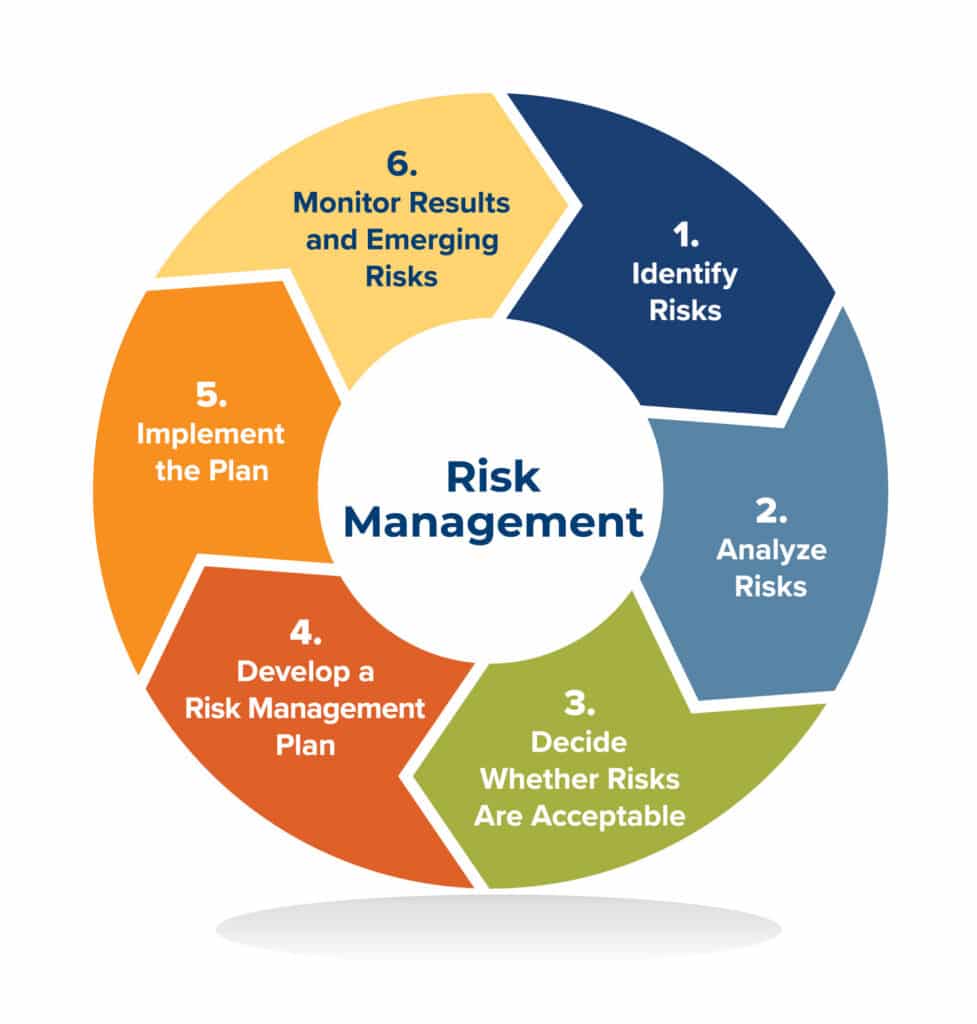
None of this may feel dramatic, and that’s precisely the point for those of us who work in the human-powered sector of the outdoor industry. That’s because risk management begins long before an incident occurs.
At The National Center for Outdoor & Adventure Education (NCOAE), we view risk management as a thoughtful process rather than a reaction to an emergency. It begins by recognizing what could happen, considering what those possibilities might mean, deciding what level of risk makes sense for the activity, and acting accordingly.
Our outdoor education courses provide participants with opportunities to practice those skills in real environments, but the principles themselves extend far beyond the backcountry. Risk management influences how businesses plan projects, educators prepare field experiences, nonprofit organizations coordinate volunteers, families make (more…)
TALK TO US
Have any further questions about our courses, what you’ll learn, or what else to expect? Contact us, we’re here to help!