

Wilderness Medicine on Ice
Wilderness MedicineFor some readers, the headline of today’s blog might spark visions of Disney on Ice, complete with professional figure skaters dressed as emergency medical technicians, gliding, spinning, and soaring through the air as they provide emergency medical care in a winter wilderness setting.
As they successfully evacuate the injured party from the ice, one skater performs a perfect triple axel in celebration. As for musical accompaniment, I’m thinking we should choreograph the entire scene to Vanilla Ice singing “Ice Ice Baby.”
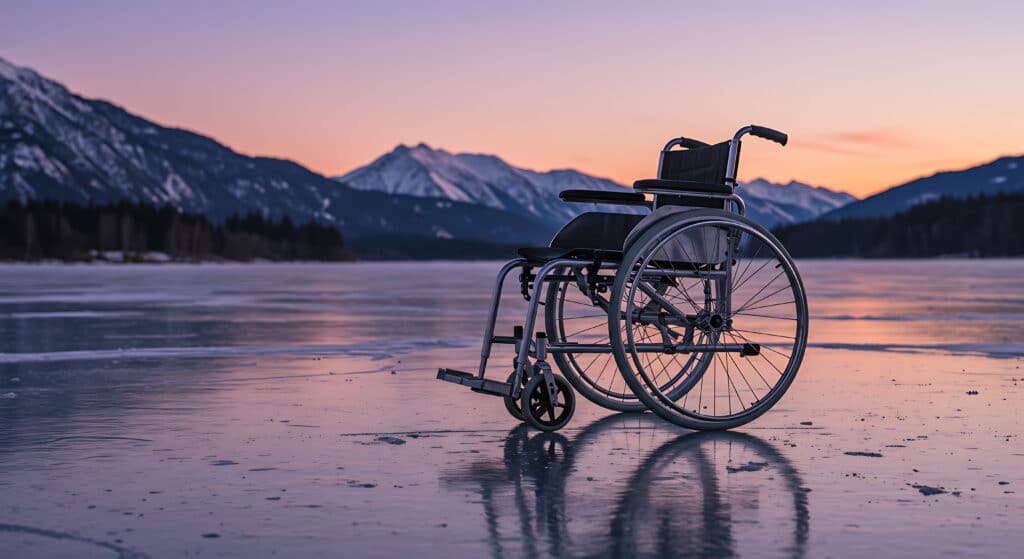
I only bring this to mind because it was around this time (1990) that Vanilla Ice released his hit video recording, “Ice Ice Baby.” I climbed Mt. Shasta in Northern California’s Cascade Range that winter, and I recall the approach provided intermittent views of the frozen water that would make up the majority of the climb. I came to the realization that providing medical treatment and making potentially life-saving decisions would be much more difficult to achieve in icy conditions and bitter cold than in more temperate conditions.
In the years since that icy climb, I have continued to enjoy ice and snow activities and have often participating in rescue operations, providing medical care in winter wilderness settings. In this post, I explore the unique challenges of providing wilderness medicine in cold, icy environments and lead you through the standard protocol for responding to injury or illness in these challenging conditions.
And, for a little fun, I’m going to weave in a few lyrics from “Ice Ice Baby” to reinforce key lessons. So, strap on your crampons and “Let’s Kick It!” (more…)
Adventure is Rx for Staying Sane and Serene During the Winter Months
NCOAE RecommendsHappiness is an inside job. And on the flip side of that coin, depression — a mood disorder — is a condition that also primarily originates from inside our minds. Happiness is an action word. It requires a decision. And happiness does not have to wait.
Take the winter months, for example. If you are an outdoor enthusiast — and we assume you are if you’re perusing our NCOAE website — you know the true meaning of “winter blues.” Often, we find ourselves cooped up inside, postponing our happiness until the spring.
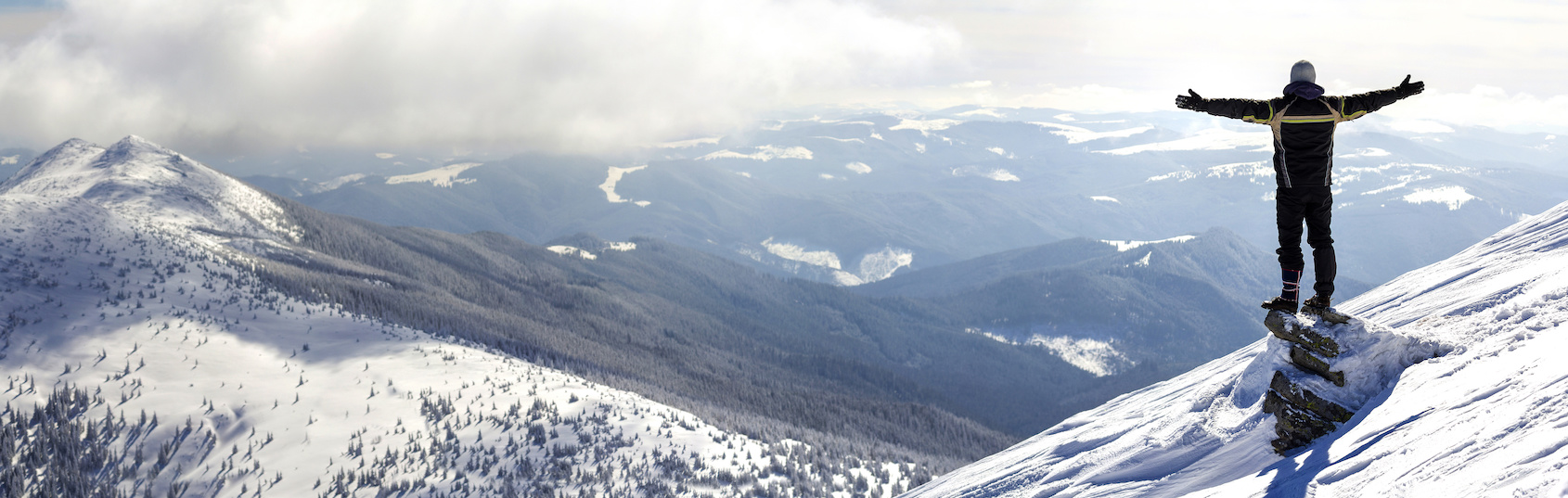
When it’s unbearably cold, windy, and wet outside, many of us feel out of sorts. We’re moody, have no energy, and we’re eager to get outside. Unfavorable weather conditions often put a halt to those plans, or seriously limit our participation.
Doctors have a name for this mental anguish, and it’s called Seasonal Affective Disorder (SAD). We’re not trying to be cute or funny here, because it really is SAD. It’s a form of depression that is directly related to changes in season, usually beginning in the late fall and continuing throughout the winter months.
Doctors put part of the blame on the decrease in sunlight in fall and winter that can disrupt your internal clock. That same lack of sun beams can prompt a drop in serotonin — a chemical in the brain that affects mood. Finally, the seasonal change can increase the production of melatonin — a hormone that regulates the sleep–wake cycle in the body and plays a big role in sleep patterns.
Symptoms of Seasonal Affective Disorder
According to the Mayo Clinic, signs and symptoms of SAD may include: (more…)
7 Tips for Staying Sharp This Winter
NCOAE RecommendsWhen it comes to staying connected with outdoor activities — even in the dead of winter — the important thing is to dig deep, don’t procrastinate, and most important, remain consistent.
There’s an old expression that I just made up and it goes like this: You can’t stay full on yesterday’s hotdog. What does that mean? It means you can’t depend on memories of your summer wilderness experiences to keep you sharp during these “couch potato” months.
Staying sharp means using the wintertime to take on micro expeditions and stay connected with the outdoors.
Daylight Savings Time, a 9-to-5-job, freezing weather and endless offerings on subscription-based TV are all basic ingredients when you’re preparing a “couch potato.” However, if you are looking to stay fit until next spring, it’s time to come up with a better recipe.
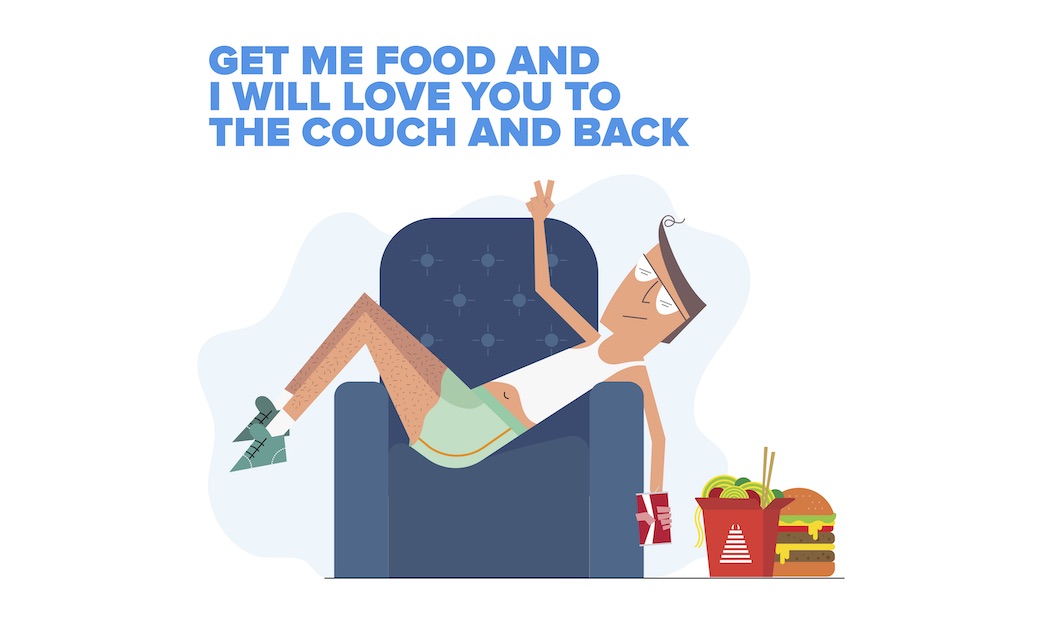
Which is why those of us who hunker inside NCOAE headquarters on a regular basis came up with some excellent tips to keep you at your physical and mental peak during the winter months.
Here are the results of those brainstorming sessions: (more…)
TALK TO US
Have any further questions about our courses, what you’ll learn, or what else to expect? Contact us, we’re here to help!