

When to Call — or Not Call — for Help During a Wilderness Emergency
Wilderness MedicineIn wilderness or the backcountry, bad things can happen to even the most experienced of adventurers. Truth is, most illnesses and injuries on the trail can be managed by the adventurer, or with the assistance of someone possessing some training in wilderness medicine.
Of course, some injuries and illnesses do pose a threat to life or limb, and in other cases, the person — who for our purposes we’ll call our “patient” — may not even survive without professional medical intervention. It’s those situations in the grey area that leave many outdoor adventurers wondering, Do we call for help or not? You maybe conflicted for several reasons: pride or overconfidence, embarrassment or reluctance to admit weakness, misjudging the severity of the situation, concerns over medical costs, or perhaps you lack an effective means to contact emergency services.
As the ancient adage suggests: “He who hesitates is lost,” and the objective of this post is to equip you with the knowledge and insight needed to arrive at the right decision faster. Here, you will learn when to call for help, the type of help to call for, and the various means of communication you can use to call for help.
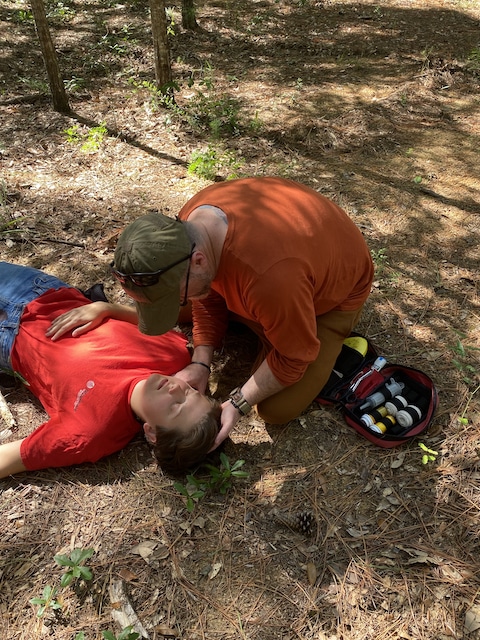
Important! Before embarking on any wilderness or backcountry adventure, leave your itinerary with a trusted individual, along with instructions to contact emergency personnel in the event that you fail to return or call on the scheduled date of your return. If you need a visual on how important this is, watch the 2010 film 127 Hours, which vividly illustrates the torment suffered by Aron Ralston, the rock climber who was forced to amputate part of his own right arm after it was pinned between rocks in an isolated canyon in Utah.
Deciding When to Call for Help In The Wilderness
When you or someone in your group suffers a serious illness or injury, toss your emotions aside and focus on the following factors in deciding whether or not to call for help: (more…)
Evaluating Neurovascular Function in the Backcountry
Wilderness MedicineWhen it comes to emergency medicine — whether in an urban setting or the backcountry — swift and accurate assessments play a pivotal role in determining the severity and progression of an injury and deciding the best course of action.
The decisions you make regarding treatment, evacuation, and transportation in cases of non-obvious threats to life and limb can determine not only whether someone lives or dies, but also their quality of life should they survive the emergency. After all, quality of life is a huge part of being alive. And a beating heart with minimal brain activity doesn’t always meet a person’s definition of “living.”
The National Center for Outdoor and Adventure Education (NCOAE) is a leading provider of wilderness medicine education and certification, and in this post, we’re taking the time to introduce you to the process of evaluating neurovascular function to determine the extent and progression of an injury. By doing so, you can make well-informed treatment, evacuation, and transportation decisions when responding to a medical emergency, no matter the origins of the incident.
Understanding What a Neurovascular Assessment Entails
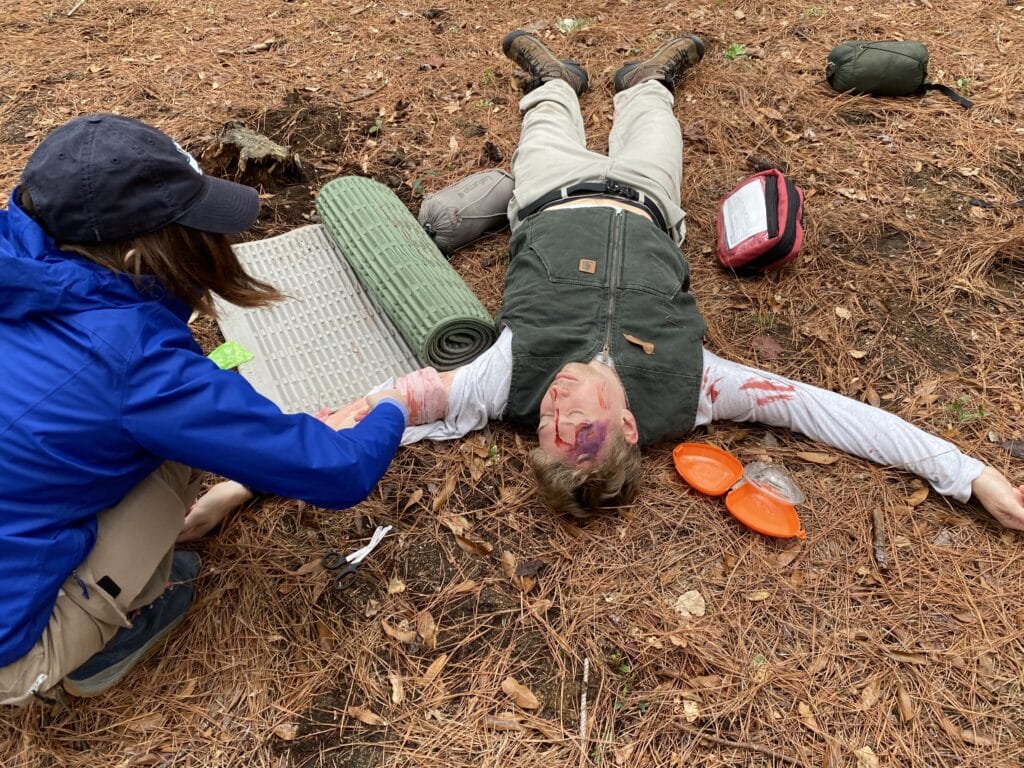
A neurovascular assessment is a collection of tests used by medical clinicians, including emergency medical personnel such as Wilderness First Responders and Wilderness EMTs, to determine whether someone is suffering nerve damage or impaired blood flow. Neuro refers to anything related to the body’s nervous system, and vascular refers to anything related to the body’s blood vessels. Neurovascular function encompasses the interplay between the brain, spinal cord, peripheral nerves, and blood vessels that supply oxygen and other vital nutrients to organs, limbs, and tissues. Any disruption of this intricate balance can lead to severe consequences ranging from impaired cognition to more severe conditions such as stroke or the loss of a limb.
Neurovascular status can be determined by simple tests of the following three functions: (more…)
What Is Wilderness Medicine?
Wilderness MedicineWhen the average person encounters the term “wilderness medicine,” they typically assume it is referring to the practice of medicine in a remote or harsh environment with little to no access to medical equipment or supplies.
They may imagine a scenario of providing CPR to someone who suffered cardiac arrest during a whitewater rafting adventure or creating a splint out of a branch and a few strands of twine to help a hiker with a sprained ankle become ambulatory.
While these notions of wilderness medicine aren’t far off the mark, they are limited. In other words, close but no cigar. It’s all the above and more, which makes it a challenge to come up with a clear and comprehensive definition.
Teaching Wilderness Medicine at NCOAE
Here at The National Center for Outdoor Adventure and Education (NCOAE), our wilderness medicine courses begin with a discussion of what wilderness medicine is, as well as what each student hopes to learn from the course. Often, these discussions elicit points of discussion that require an even broader definition of the term.
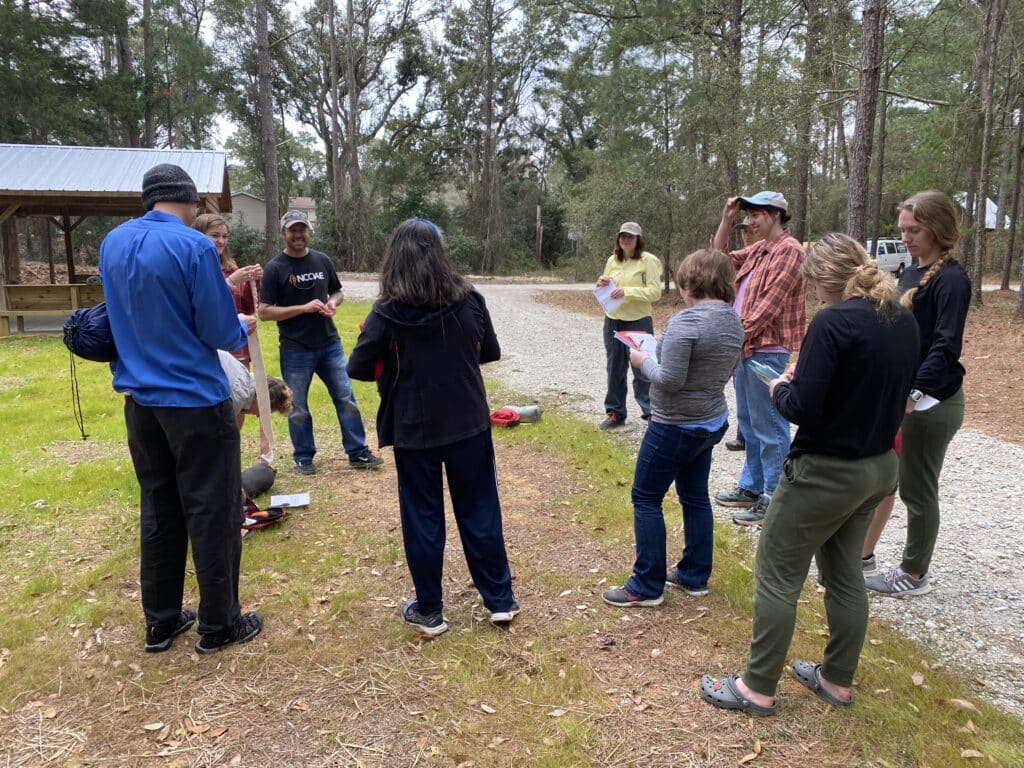
While there’s no universally agreed upon definition of wilderness medicine, certain components set it apart from non-wilderness medicine. For the purpose of this blog post, let’s begin with the following definition:
Wilderness Medicine is provision of medical care when environmental conditions play a stronger role in decision making and interventions than the established systems of care.
Wilderness Medicine encompasses not only the treatment of injuries and illnesses in these settings but also includes preventive measures, survival skills, and the management of environmental hazards such as extreme weather, hazardous terrain, and wildlife encounters.
Wilderness medicine skills and techniques can be applied in a variety of setting, including but not limited to: (more…)
SOAP Notes Keep Wilderness Medicine Clean
Wilderness MedicineIn the context of wilderness medicine, soap and SOAP are both indispensable. An explanation is in order. We’re all familiar with lower-case soap. This noun refers to a substance that’s added to water to remove dirt, grease, grime, and germs from various surfaces, including skin, hair, clothing, pots and pans, and so on.
Soap In The Wilderness
Traditional soap works in two ways — as a surfactant to break water tension, improving water’s ability to penetrate surfaces, and as a molecule that has a love-hate relationship with water. Soap molecules have two ends, one that’s hydrophilic (loves water) and the other that’s hydrophobic (hates water). The hydrophilic end binds to water, while the hydrophobic end binds to anything other than water — dirt, grease, grime, germs. Imagine soap molecules as tiny carabiners that shackle dirt molecules to water molecules to enable the water molecules to usher them away.
In backcountry and wilderness settings, soap plays a vital role in preventing infection and transmission of disease. In fact, scrubbing vigorously with soap and water may be among the most important risk-management technique you practice during your time in the wilderness.
SOAP (Subjective, Objective, Assessment, Plan)
Now let’s move on to the other SOAP — all uppercase — which is an acronym for Subjective, Objective, Assessment, and Plan. As an outdoor educator, field instructor, or wilderness guide, this note-taking procedure is nearly as important as scrubbing your hands regularly with soap and water. This is especially true when you’re dealing with a client injury or illness in a remote setting.
SOAP Notes, which I’ll be covering in this post, separate important information from the chaos and fog of emotion in order to provide clean, uncluttered details for making informed medical decisions and emergency response plans.
With SOAP Notes in hand, field instructors and outdoor educators trained in wilderness medicine, as well as backcountry guides, are better prepared to respond to a medical emergency. They do this by:
- Following an organized, methodical process
- Tracking changes in a patient’s health status
- Keeping a record of assessments, anticipated problems, and any interventions already provided
- Communicating with emergency responders
- Ensuring a seamless transfer of patient care to next-level healthcare providers
- Documenting cases and care for improving organizational outcomes
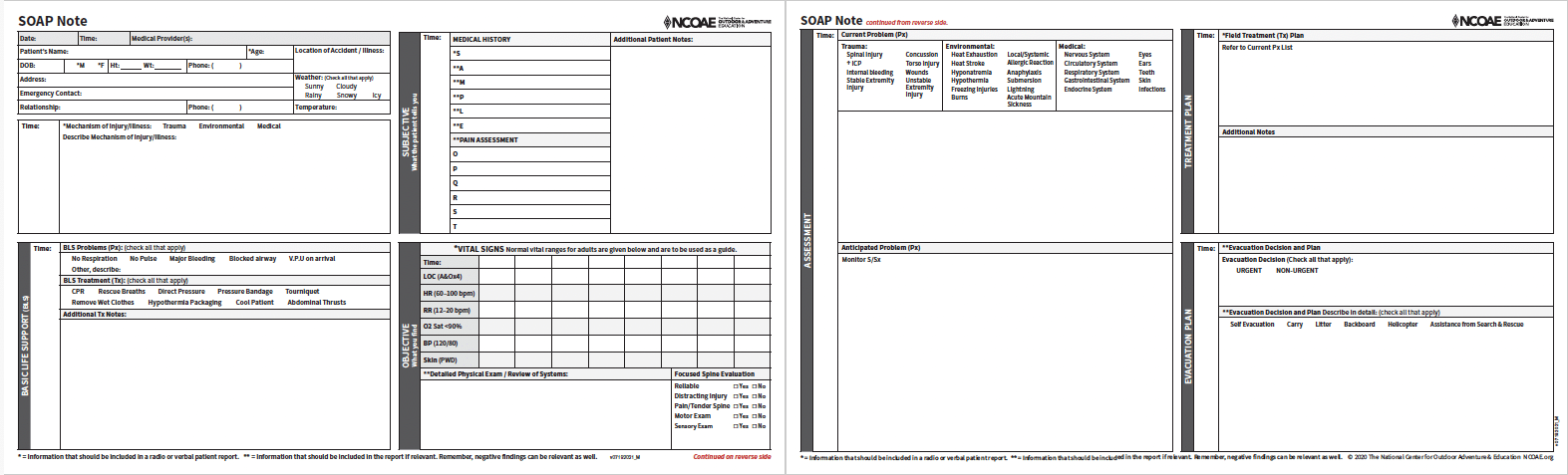
Here at The National Center of Outdoor Adventure and Education (NCOAE), we developed the SOAP Note form shown below.
Our SOAP Note’s Form
Our SOAP Note form consists of the following seven sections (more…)
What Outdoor Industry Pros Recommend You Keep in Your First-Aid Kit
Wilderness MedicineHaving a first aid kit handy is always a good idea, but what should it contain? The answer to this question really depends on what you plan to be doing. There are different considerations for a kit that you carry in your car versus one that you grab up for a mountain bike ride or take with you on an overnight or multi-day backcountry expedition.
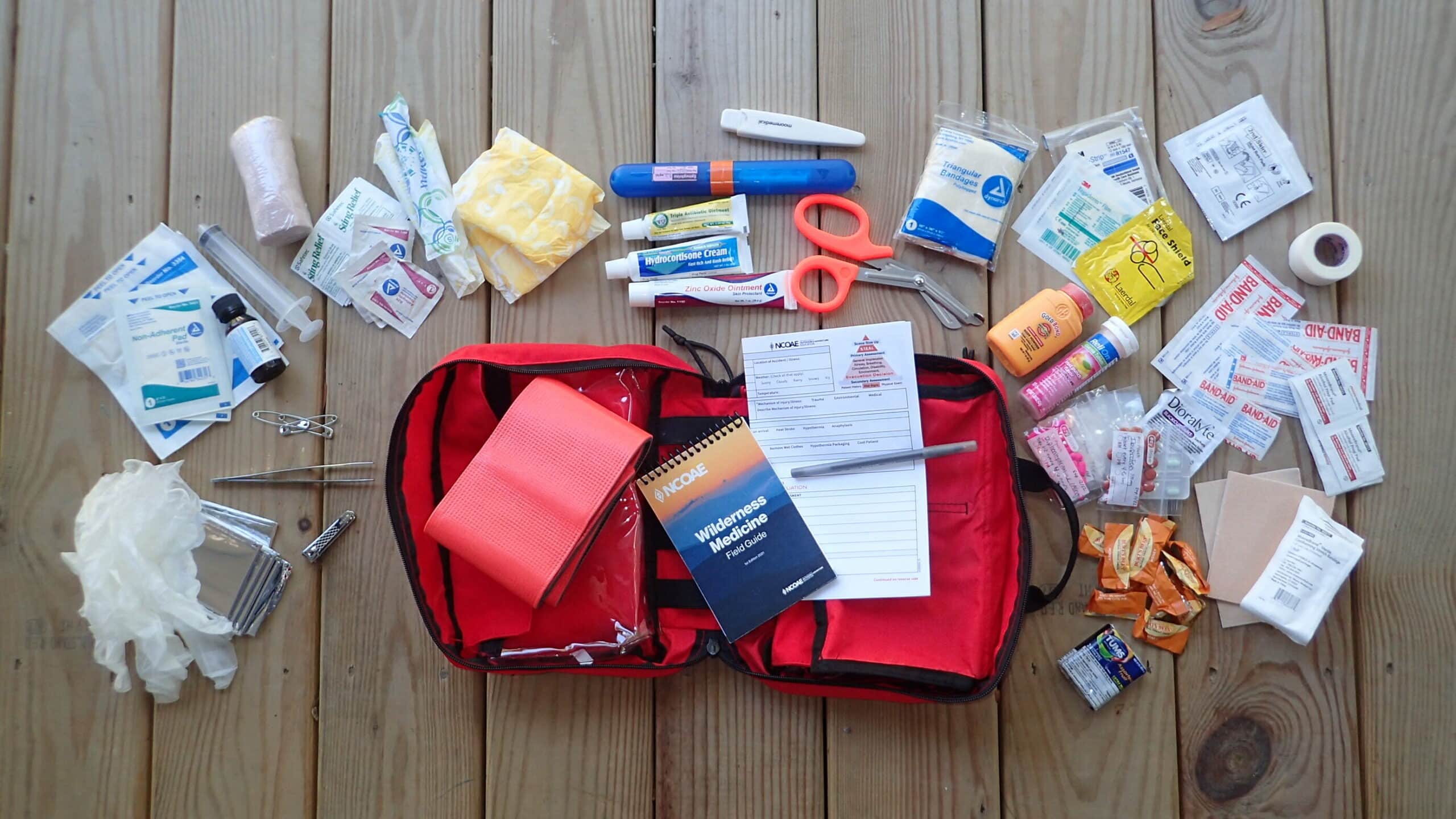
Of course, you could purchase pre-stocked first-aid kits for a variety of purposes. Retailers and companies like REI, Adventure Medical Kits, and even Amazon and Target all sell first aid kits that may be right for your purposes. These can be convenient, and many are vacuum sealed to save space. However, they can be expensive and may contain less useful items for your purposes.
Putting together your own first aid kit lets you decide how many and what kinds of things you want. It also gets you thinking about what you’ll have on hand should a backcountry emergency occur.
Pro Tip: Make sure your backcountry first aid kit is waterproofed and check it regularly to make sure things haven’t been damaged or have expired.
Here are some things to consider when creating your own backcountry first aid kit:
What injuries/situations are likely to occur? (more…)
TALK TO US
Have any further questions about our courses, what you’ll learn, or what else to expect? Contact us, we’re here to help!