

By definition, an expedition is quite a big deal. Typically, it involves a crew of people, covers a lot of territory, and lasts for weeks, sometimes months. Several examples come to mind. There’s Columbus’ first voyage to discover a western passage to China in 1492, Lewis and Clark’s Corps of Discovery Expedition from 1804 to 1806, Earnest Shackleton’s Imperial Trans-Antarctic Expedition from 1914 to 1917, and the Apollo 11 moon mission in 1969 to name a few.
I’ve been on a number of weeks-long expeditions with groups of various sizes, so I’m well aware of the planning and preparation that a successful wilderness expedition demands. The way I see it, the expedition is the culmination of that planning and preparation.
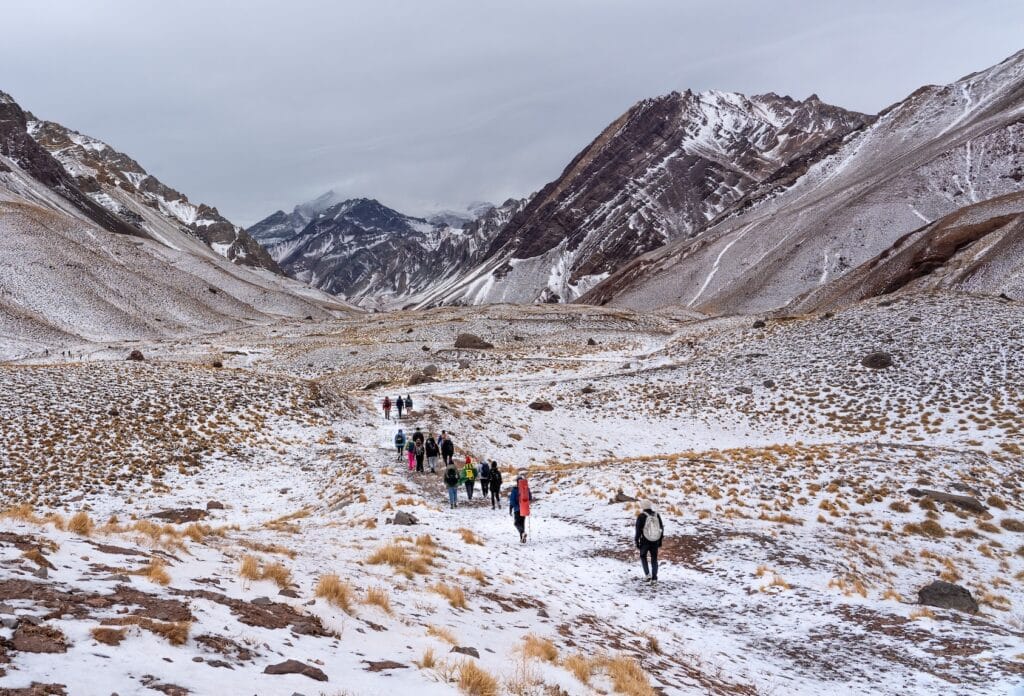
The preparation required comes in several layers:
- Physical fitness
- Mental acuity and resilience
- Equipment and supplies
Life’s demands don’t always leave me the time and resources to engage in lengthy expeditions, but I have still managed to practice an expedition lifestyle by incorporating micro-expeditions into my daily routine. This has allowed me to build what I like to refer to as an Expedition Every Day mindset. Not only does this practice satisfy (to some degree) my constant yearning for adventure, discovery, physical challenge, and time outdoors, but it also prepares me for more complex, challenging, and lengthy expeditions. You know, the ones that take me outside my comfort zone.
I encourage you to build an Expedition Every Day mindset of your own, and in this post, I explain how to do just that, drawing examples from my own expedition lifestyle experiences with biking, hiking, and photography.
The purpose of building an Expedition Every Day mindset is to prepare yourself for expeditions that take you outside your comfort zone. However, micro-expeditions also have intrinsic value — they keep you physically fit, mentally sharp, and in tune with your equipment. And, of course, they guarantee you’re spending some time each day outdoors.
Biking
Biking is a great micro-expedition. I have a 20-mile roundtrip commute I do on a bike, every day. I do not have a car, and I have never owned a mobile phone. I do not ask my wife for rides. I get up at 5 in the morning and need to be out the door by 5:30 a.m. every day, no exceptions. If something goes sideways, I have no one to call; I need to handle it myself and show up to work on time. Sound like an expedition?
Ten miles is not a long bike ride. However, when you have no choice but to get up and ride 10 miles to work and 10 miles home on a combination of trails, dirt roads, and pavements, you need to be prepared physically and mentally and be properly equipped. Your bike needs to be road-ready, and you must have the tools and supplies available to perform routine repairs on that road.
This simple act of riding to work every day keeps me physically and mentally fit for all my bigger expedition activities — climbing (ice/rock), paddling, running rivers, snowboarding, you name it.
Being outdoors every day for me is a must, so I have built my life around it.
Physical preparation for biking
Each morning, I wake up, stretch, hydrate, turn on my bike lights, and hit the road. I am staying physically fit and very aware of how my body feels every day. I am stretching muscle, increasing lung capacity, and building endurance, all of which improve my ability to engage in the other physically challenging activities I love — snowboarding, hiking, and climbing.
Mental preparation for biking
My bike is my only means of transportation, other than walking. In rain, snow, thunder, lightning, scorching heat, even amid severe weather warnings, I climb on my bike and head out. When outdoor conditions are wicked, I have to wrap my head around the fact that the ride is going to suck and focus on the objective — getting to work on time.
Even after doing this for 30 years in many different cities and regions, I still have days when embarking on that 10-mile ride is a mental struggle. I hear the rain on the gutters or the deep silence that snow brings, and I want to stay in bed or sit and have an extra cup of coffee and pretend I do not need to go anywhere. But I’ve made this commute a non-negotiable part of my daily life. Getting up, getting out, and getting going is not an option in my daily life — just as it’s not an option on an expedition.
The amount of time I have said “this sucks” on a ride to work are immeasurable. I can say it over and over, but I need to dig deep into my positive mental vault and keep going. It’s no different from hanging on the side of a mountain, ice cascading down on your helmet, knowing you must keep going. Up or down, doesn’t matter — you have to keep your mental state in check and make decisions. A simple morning commute puts me in this practice every day.
Equipment for biking
Flat tire, 5:30 a.m., the sun has yet to rise, I need to get to work, but first I have to change that innertube. I shift the gears so the chain is in a good spot, pull off the wheel, peel back the tire, find out what caused the flat, change the tube, pump it up, put the wheel back on the bike and keep pedaling. No helicopter is coming, no one to rely on but myself.
I need to know how to fix my bike in the dark, pack my tools neatly, have everything I need on me to tear down my bike and rebuild it wherever I am. This is how I learn all I need to know about my equipment. By working on your equipment in terrible conditions, you develop resilience and learn to improvise — essential survival skills that will serve you well on extended expeditions.
Weather can be unpredictable, and I need to be ready for whatever comes my way. I have bags on my bike for bikepacking trips. Bike commuting has me in the practice of packing and unpacking every day, just as I would have to on a longer expedition. I know what can fit in each bag, how to balance the packing, and how to get to what I need with speed and efficiency as conditions change.
My wife is an incredible sailor. Years ago when we were sailing together, she told me jump off the boat (personal flotation device on). She threw me a rope and instructed me to tie different knots in it, all behind my back, while treading water. To be honest, it was a miserable experience, but she was teaching me what could be life-saving skills — the ability to tie knots in a rope I can’t see, and the ability to solve problems in the dark and in challenging conditions and situations. She knows it’s not always warm and sunny when a crisis arises, and you need to be able to function and accomplish certain tasks regardless of conditions.
Hiking
Day hikes can be excellent times for preparation for expeditions. When I go hiking, I tend to spend most of the time bushwhacking, fording rivers, and using ropes for handlines or descents, all immense fun. My weekends are limitless when it comes to what I want to explore, and I always approach these micro-expeditions as opportunities to test myself and my equipment.
Most the time I go solo. However, when people want to come with me it adds a different element to going out. I need to make sure the person or people who come along come back in one piece both mentally and physically.
Physical preparation for hiking
Hiking and climbing are similar activities, just at varying angles. When you decide to add exploration into a hike, you will start to test and improve your physical ability for multiple sports.
A few months ago, I went for a quick two-hour hike with my wife that had us clipping into climbing harnesses and setting ropes. We navigated up and down rocky terrain, a small cliff band, and across a river to complete the morning loop, all off trail in the rain and cold.
Two hours is not very long, but we were wiped out. We had put our bodies through the wringer and were at the point of exhaustion. But we arrived home wearing ear-to-ear grins.
Mental preparation for hiking
I take the same approach to day hikes as I do with my daily commute — I go regardless of the conditions outside. This is a large part of the mental conditioning day hikes require. However, I often recruit others to accompany me on my hikes. Involving others intensifies the mental challenge, because I need to make adjustments.
When I have another person out with me I not only need to help them with the physicality of the outing, but more important, I need to be in top mental form so I can help keep them in a positive expeditionary mindset. This is challenging for me since I tend to go solo a lot. It is really good for me to go out on micro-expeditions with others to remind myself how I need to perform mentally with others, how to mentally take care of others, and the need to be empathetic and helpful to them.
More expeditions fail due to teams falling apart when it comes to how mentally prepared everyone in the group is. Before heading out on the big objectives, go out and do hard things with others so you practice your mental and emotional preparedness and practice navigating someone else’s mental landscape.
Recruit friends, family members, and others to join you on your micro-expeditions and to develop new group expeditions. Look for opportunities to challenge one another to sharpen existing skills and develop new ones.
Equipment knowledge for hiking
Rhododendron and mountain laurel are two plants that can provide a hellish off-trail experience, and they are prevalent in the wilderness areas near me. I have a scar from 20 years ago where a very sharp mountain laurel branch ripped open my arm. The plants are unforgiving and will tear up everything that brushes past them — clothing, skin, and equipment.
When bushwhacking with climbing gear and a pack on you had better have everything packed perfectly, inside the bag, not dangling, because if you don’t your gear will be torn apart, tangled up, and useless when you need it most.
Standing on the edge of a 40-foot cliff, in the rain with limited mobility due to the environment, I need to get into my harness, set up ropes, and keep myself and my partner safe. This is no different from being on a snow-covered peak, cold and scared, trying to set up a climb. The difference in this situation is that I am a mile from home playing and learning the ins and outs of my gear in more of a “side-country” environment. I can easily go home. Even so, this micro-expedition serves as a great opportunity to learn more about my gear in a challenging environment.
Photography
One part of my life that has made my everyday expeditions truly test my physical, mental, and equipment preparedness is one of my artistic pursuits — photography.
Photography is also one of my side gigs; I shoot adventure sports and do work for brands that want to showcase their gear, food, or clothing in harsh elements. Believe me when I tell you, my physical fitness, mental toughness, and equipment knowledge get tested more on these outings than during almost anything else I do.
Physical preparation for photography
When I am photographing professional athletes, I tend to be the one at a physical disadvantage because they are hyper fit. I need to keep up with them and sometimes get ahead of them and put myself in physically difficult positions to capture a shot worth presenting to my client.
When working with climbers or ultrarunners I need to be out of the way but in a place for the opportunity to capture the right image. This often puts me in a position that I would otherwise avoid for comfort or safety reasons. I need to be in my best physical condition to get into these spots and remain safe there.
To some degree, my bike rides and off-trail hikes prepare me for this, but the photo shoot challenges me on another level.
Mental preparation for photography
Being with athletes who are far beyond my ability can feel intimidating. They have hired me to get a photograph, and they don’t care that I cannot run 80 miles in harsh conditions. I have to wrap my head around my own doubts, my feelings of anxiety, and even imposter syndrome to complete the mission and deliver the goods — impressive action photos, often amid extreme conditions.
If I did not take others out on trips and adjust my mental game I would not be prepared to deal with my own shortcomings and to overcome those shortcomings to be successful.
Equipment knowledge for photography
Carrying a camera in a bag safe from environmental conditions is like going hunting with only ammo — it is a pointless endeavor.
When climbing, biking, or running rapids, my cameras are out and exposed to the elements and being damaged. I need to care for the cameras while adjusting settings, changing lenses, and keeping them ready for action. This takes practice; it takes emotional control, physical flexibility, and a deep, deep knowledge of how my gear works and how to take care of it.
To make my cameras an integral part of my Expedition Every Day experience, I take them with me wherever I go — my daily commutes between home and work, my day hikes and paddling days, my climbs, always and everywhere. I’m continuously practicing the craft and always learning something new.
Want to pursue big objective expeditions? Start by making every day an expedition. Find a community that you can lean on, partner with, and learn from.
I have no doubt that you can search the web for guidance on how to prepare for an expedition or consult your generative AI chatbot for guidance, but there is no substitute for engaging in diverse activities that take you outside your comfort zone both physically and mentally and build your equipment knowledge and expertise. Mix it up, alone and with others; practice with your equipment in all conditions, especially the most extreme; and find a way to create an expeditionary lifestyle instead of merely engaging in bursts of preparation here and there.
Spending part of everyday outdoors exploring and challenging yourself will make you happier, more confident, and well prepared to overcome any challenge in every aspect of your life. It will make your life fuller, and on the best days, it will leave you grinning ear to ear.
– – – – – – –
About the Author: Stephen Mullaney is the Director of School Partnerships and Staff Development at The National Center for Outdoor & Adventure Education (NCOAE).
TALK TO US
Have any further questions about our courses, what you’ll learn, or what else to expect? Contact us, we’re here to help!
Leave a comment