

Backcountry travel and wilderness recreation means traveling light while having everything we need to survive. A small problem like a deep cut or a sudden change in weather can quickly become an emergency when civilization is miles away.
That’s why wilderness medicine starts long before anything goes wrong. It starts with what you carry.
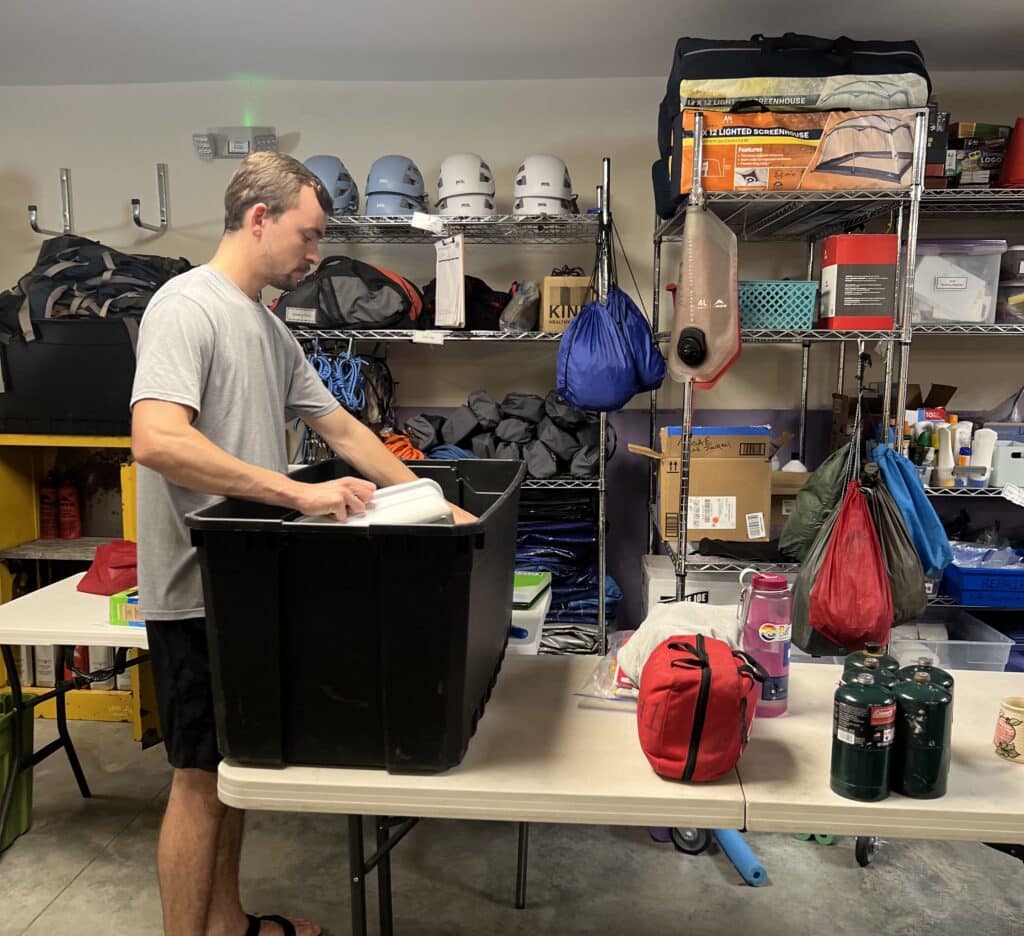
Everyday carry (EDC) is a popular topic of conversation among those in the self-defense and prepper communities, from which the term was born. In the world of wilderness medicine, EDC — or Echo Delta Charlie for those of you with phonetic alphabet experience — refers to the carefully selected tools and supplies you keep with you at all times to respond to injuries and illness that can occur in remote wilderness and backcountry settings.
In this NCOAE blog post, I explore the essential items you may want to include in your wilderness EDC and explains how a few well-chosen items can make a big difference when you’re far from help.
Think of EDC as a less formal wilderness first aid kit. Some EDC items are on “your person” meaning in clothes pockets and on a pants belt. Other items may be in a “go bag” that you always have with you. Your EDC’s contents, comprehension, and container will be personalized based on your expectations, risk tolerance, and how light you prefer to travel.
Identification
Carrying identification in the backcountry provides rescuers with essential information, such as your emergency contacts, allergies, medical conditions, and medications. Identification may include the usual driver’s license along with less common items, such as a medical information card or a medical bracelet or dog tag.
Currency and Credit
You might not consider carrying currency or credit cards on a wilderness adventure, but having cash or something of value to trade for what you need can come in handy. Imagine getting lost and having the good fortune to reach a small town, only to find you have nothing to pay for or trade for food, water, shelter, or supplies. Always carry some money and another means of payment.
Communication Tools
Communication can be essential for survival, especially when remote rescue or evacuation is needed. Here are a few communication tools to consider including in your EDC:
- Cell phone or satellite phone (in a guided group like those run by The National Center for Outdoor & Adventure Education, your field guide or course leader has this covered)
- Weather-durable notepad and permanent marker
- Mirror (to signal for help)
If all else fails, you can always communicate by using smoke. Just don’t set a wildfire.
Sustenance
You should always carry sustenance:
- Bottled water
- Energy bar, granola, or a high-calorie snack like gel/goo
Heat and Extra Clothing
In the world of self-defense, “packing heat” has an entirely different meaning than wilderness medicine. For gun owners, it refers to carrying firearms in a concealed manner. In wilderness medicine, it’s 100 percent focused on maintaining a stable body temperature, especially in cold conditions. Specifically, include the following items as part of your EDC:
- One or more lighters
- Fire starters
- Extra layers of clothing (one extra shirt or jacket beyond what you expect you’ll need)
- A bandana, which can be a great multi-purpose tool
Flashlight and Batteries
Doing anything other than sleeping is always more challenging in the dark. Modern cell phones have built-in flashlights, but consider carrying an additional source of light, such as a small flashlight or headlamp. Headlamps are best, because they free your hands for other tasks.
Repair Tools and Supplies
Wilderness EDC always includes a few essential tools and supplies for repairing clothes, shelter, and equipment (including the equipment you use for cooking). Consider the following:
- Sewing kit
- Pliers
- Scissors or medical shears
- Screwdriver/pry bar
- Duct tape
- Zip ties
If you have ever ripped the crotch out of your pants in the jungles of Panama you know the importance of a sewing kit.
Self-Defense Gear
In a wilderness setting, self-defense has a fairly broad scope, so pack accordingly. Consider the following items:
- Blades
- Bear blaster or pepper spray
- Sunscreen
- Insect repellant
Medical Equipment and Supplies
EDC for wilderness medicine calls for a careful balance of making sure you have everything you’ll need without overpacking. Consider including the following items, but be prepared to make trade-offs:
- Medical gloves
- Bandages/gauze, including stop-the-bleed items
- Antiseptic wipes
- Medical shears
- Tweezers
- Rescue-breathing barrier device
To lighten your load, consider replacing some items with multi-purpose tools. This is where that bandana can come in handy! Also, you don’t need medical shears and scissors — one or the other will do. Be prepared to improvise.
Brain
Your brain is the most important item to bring with you when you leave the house. This tool is essential for enabling you to use all your other EDC items and for improvising when you don’t have exactly what you need.
Exercise your brain to make sure that it’s always ready for calm and critical thinking during times of crisis. See last week’s post, “Building an ‘Expedition Every Day’ Mindset,” for details.
The backcountry is a wonderful place to which many of us are drawn for enjoyment and exploration. But it can also be dangerous, especially if you’re unprepared. I encourage you to develop your own unique EDC that’s personalized for your lifestyle. It may include items you carry on your person along with items in a purse or small “go bag.” Or it could be a backpack stored in your car or strapped to your bicycle. Your EDC is likely to improve over time as you determine what’s essential and what you can do without.
I also encourage you to train and prepare for crises and emergencies. Train every day if possible. One great way to prepare is through our wilderness medicine courses, which can help you learn how to prevent and treat injuries and illnesses in remote wilderness areas. With the right mix of knowledge, skills, equipment, and supplies, you’ll be well-prepared to handle any wilderness emergency.
– – – – – – –
About the Author: Todd Mullenix is the Director of Wilderness Medicine Education at The National Center for Outdoor & Adventure Educationin Wilmington, North Carolina.
TALK TO US
Have any further questions about our courses, what you’ll learn, or what else to expect? Contact us, we’re here to help!
Leave a comment