

Being a Good Samaritan in Wilderness Medicine Without Becoming the Target of a Lawsuit
April 27, 2026
In a litigious (lawsuit-happy) society like the one we hear about all-too frequently these days, medical professionals — and that includes wilderness medicine providers —absolutely must remain aware of the possibility of being sued by a patient or a patient’s family.
For certain, most states have “Good Samaritan” laws to protect those who volunteer to help others in emergencies against frivolous lawsuits, but those laws vary from state to state and may have some exceptions.
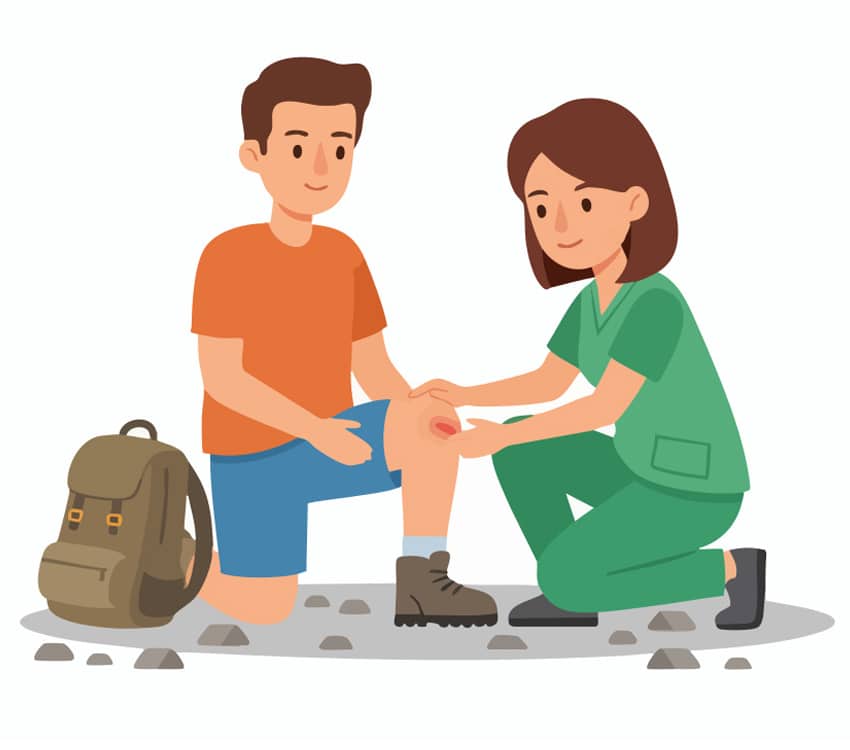
This blog post brings you up to speed on what Good Samaritan laws are, what they entail, and how you may be able to reduce your chances of becoming a target of lawsuits when you’re doing your best to help a fellow human in distress.
Shameless disclaimer: I am not an attorney, nor am I overly fond of them, except for The National Center for Outdoor Adventure and Education’s (NCOAE) legal counsel — they’re great! This post is intended to provide some basic guidance for providing medical care in a wilderness setting in a manner that could prevent you from becoming the target of a lawsuit. However, it is no substitute for professional legal advice.
What Is a Good Samaritan?
The Good Samaritan comes from a
biblical story about a man from Samaria who stopped and helped another man who had been beaten and robbed. Several passersby ignored the victim, but the compassionate Samaritan stopped along the roadside and provided care for the injured man.
The Good Samaritan, an early example of a first responder, probably wasn’t as concerned as we are today of becoming a target of a lawsuit, but he’s credited with inspiring today’s “Good Samaritan” laws, which provide some protections against such lawsuits.
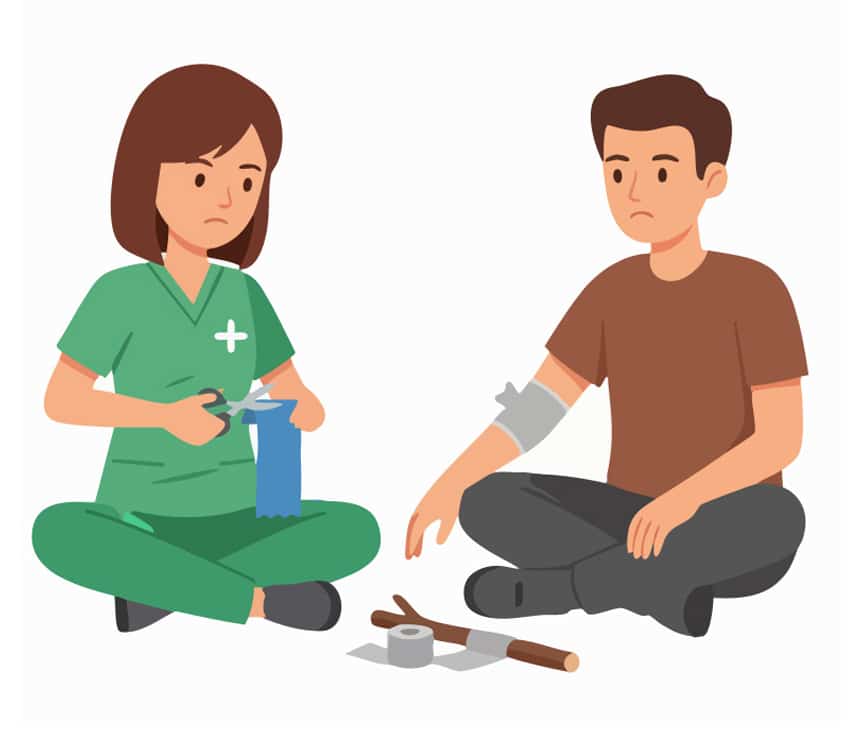
What Protections Do Good Samaritan Laws Provide?
Good Samaritan laws essentially say that if you try to help someone who is injured or in danger, the law will protect you from being sued, as long as you act reasonably and don’t do something reckless or intentionally harmful.
Here are some important points regarding Good Samaritan laws:
- The situation is an emergency. These laws generally apply in emergency situations, such as car accidents, medical crises, or someone experiencing a medical emergency and being unable to communicate clearly.
- You’re volunteering to act, instead of having a “legal duty to act.” If you have a legal duty to act, you’re serving in a role that requires you to act, such as a doctor on duty, a lifeguard, a wilderness guide, a trip leader, or a caregiver. That means you can be held to a professional or reasonable standard of care and may have less protection under Good Samaritan laws. These laws are intended to protect bystanders who have little to no formal training in emergency response.
- You’re protected from liability. You usually won’t be held legally responsible for any unintentional harm you may cause while attempting to help. For example, if you’re performing cardiopulmonary resuscitation (CPR) on someone, and you break a rib, you generally won’t be held liable.
- There are some exceptions. Protection under Good Samaritan laws generally doesn’t apply if you act with gross negligence, intentionally cause harm, or are getting paid to provide emergency services (for example, you’re a doctor or EMT on duty).
Note that Good Samaritan laws vary by state or country. Click here for a current rundown of Good Samaritan laws.
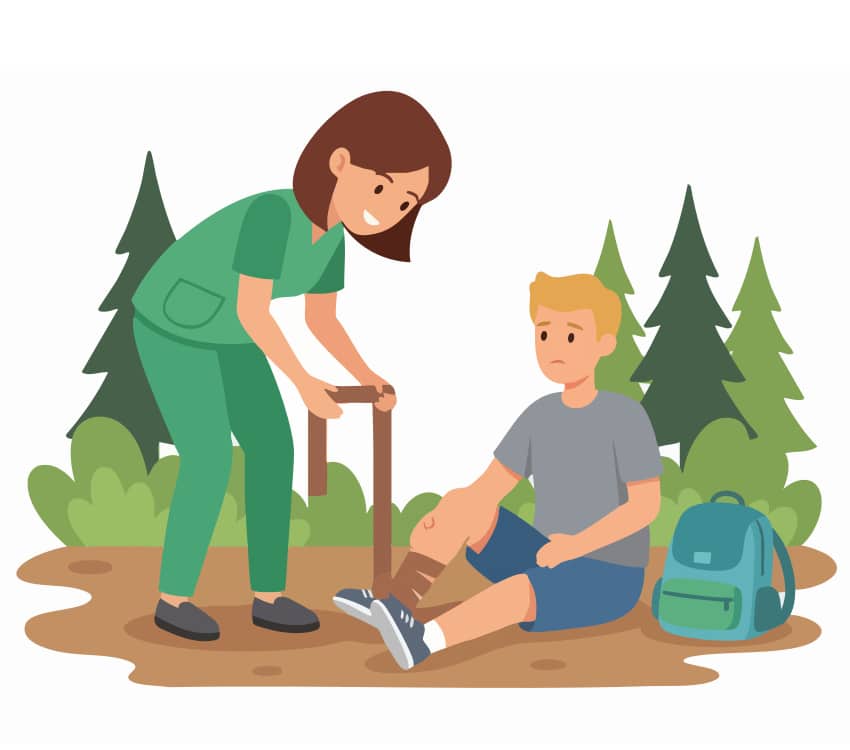
Taking Necessary Precautions: Avoiding Lawsuits
To reduce your chances of becoming the target of a lawsuit, take the following precautions:
First, do no harm. Don’t make the situation worse by acting without thinking, using a questionable technique, or taking unnecessary risks. Balance the risk of treatment versus delaying treatment until more highly trained or better equipped medical personnel are available.
Get patient consent when possible. Human beings are mostly left to decide what is good and bad for themselves. Assuming the patient is conscious, thinking clearly, and able to communicate, obtain consent before providing any treatment.
Provide treatment that is commensurate with your role. State and local laws may have different standards of care depending on your role at the scene:
- Recreational rescuers (bystanders) receive the most protection, as long as they act in good faith and aren’t grossly negligent. (I say more about negligence later in this post.)
- Primary responders (trip leader or guide, for example) have a duty of care, so they’re generally held to a higher standard and are granted less protection.
- Secondary responders (medical professionals) are usually protected when off duty but may be judged by a higher standard based on their training.
If in doubt about which group to which you belong, or the protections you’re afforded by the Good Samaritan laws in a given jurisdiction, seek further legal advice and/or medical direction.
- Always consider what is in the best interest of your patient. Put yourself in the patient’s shoes; what would you want emergency responders to do for you?
- Provide treatment that you’re qualified to provide. Never work outside of the skills and knowledge to which you have been trained.
- Stay true to the standard of care. Always provide care within the standards that most similarly trained providers would agree is correct.
Taking a Deeper Dive into the Concept of Negligence
If you have a duty to act, your liability for any harm the patient suffers as a result of your actions (or inaction) during an emergency depends mostly on whether those actions are deemed negligent. Negligence means failing to provide the level of care that a reasonable person with the same training would provide in the same situation.
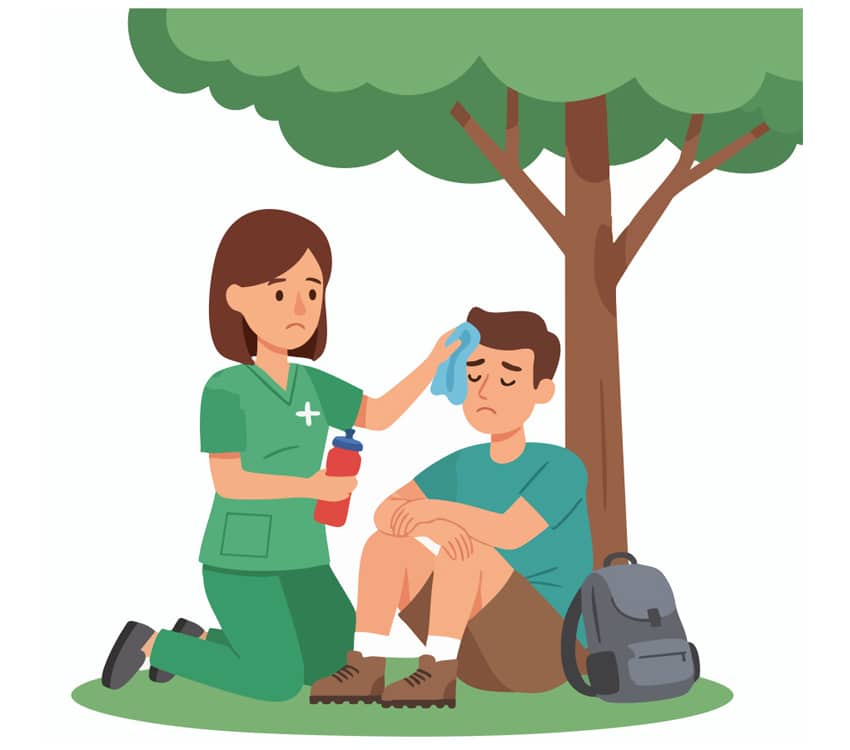
A strict interpretation of negligence requires that all of the following be true:
- The provider of the care has a duty to act.
- The provider violated the standard of care.
- The patient was harmed in some way.
- The harm to the patient was caused by the standard-of-care violation.
As practitioners of wilderness medicine, we try to use our specialized training to help our fellow humans in distress. Unfortunately, a minority of opportunistic individuals will seize upon any opportunity to file a lawsuit for their own personal gain, even at the expense of those who try to help them.
Good Samaritan laws provide some degree of protection. However, if you’re a wilderness EMT, trip leader, wilderness guide, or are acting in some other relevant professional capacity, that legal protection may be limited.
To protect yourself legally while caring for others in a medical emergency, consult with the guidelines presented in this post and be sure to review the state-by-state Good Samaritan laws available online by clicking here.
Just as important, if you are planning to take on a role in which you’re responsible for the health and safety of others, you should know how to respond in an emergency. Here at NCOAE, we offer Wilderness Medicine training and EMT Training to help prepare you for such roles.
About the Author: Todd Mullenix is the Director of Wilderness Medicine Education at The National Center for Outdoor & Adventure Education in Wilmington, North Carolina.
Disclaimer: The information in this National Center for Outdoor & Adventure Education (NCOAE) blog post about Good Samaritans and Good Samaritan laws is provided for general informational purposes only and may not reflect current medical thinking or practices. No information contained in this post should be construed as legal or medical advice from the staff at NCOAE. No reader of this post should act or refrain from acting on the basis of any information included in, or accessible through, this post without seeking the appropriate legal or medical advice on the particular facts and circumstances at issue from a licensed attorney or medical professional in the reader’s state, country or other appropriate licensing jurisdiction.
TALK TO US
Have any further questions about our courses, what you’ll learn, or what else to expect? Contact us, we’re here to help!
Leave a comment