

Risk Management Starts Way Before Something Goes Wrong
August 03, 2026
Editor’s Note: This post begins our Risk Management series, created for anyone who wants to better understand how thoughtful planning and informed decision-making seeks to reduce unnecessary risk before an activity begins. Each post in this series introduces practical risk management concepts that apply in many settings, including outdoor recreation, education, workplaces, community organizations, and any environment where preparation influences outcomes.
If you work in outdoor education or adventure programming, this will sound familiar. You’re preparing for a multi-day backcountry expedition. Maps are spread across the table and the weather forecast has changed twice during the past 24 hours. Three participants have years of backpacking experience, while six others have never carried a pack as heavy as the course demands. Water sources along the route may be lower than expected, and a stream crossing could become more challenging if rain arrives sooner than expected.
Before anyone takes the first step, dozens of decisions have already begun to take place — some involving equipment, others involving people. Still others require thinking through the terrain, weather, group dynamics, travel pace, and what might happen if conditions change.
None of this may feel dramatic, and that’s precisely the point for those of us who work in the human-powered sector of the outdoor industry. That’s because risk management begins long before an incident occurs.
At The National Center for Outdoor & Adventure Education (NCOAE), we view risk management as a thoughtful process rather than a reaction to an emergency. It begins by recognizing what could happen, considering what those possibilities might mean, deciding what level of risk makes sense for the activity, and acting accordingly.
Our outdoor education courses provide participants with opportunities to practice those skills in real environments, but the principles themselves extend far beyond the backcountry. Risk management influences how businesses plan projects, educators prepare field experiences, nonprofit organizations coordinate volunteers, families make travel decisions, and leaders in every profession think ahead before taking action.
Risk Exists Before the First Step
Many people associate risk management with emergencies. A twisted ankle, medical evacuation, impending lightning storm, and even equipment failure. Those situations certainly require sound judgment, but they represent only part of the picture. Effective risk management begins much earlier.
In all settings, it begins by recognizing that every activity or action carries some level of uncertainty. The consideration is not about eliminating every possible risk, because doing so would eliminate many worthwhile experiences as well. Instead, the objective is to understand potential risks well enough to make informed decisions about them.
Whether you’re organizing a community event, leading a classroom project, planning a business initiative, or preparing for a mountaineering expedition, thoughtful preparation helps you recognize factors that deserve attention before they become problems.
Back at our expedition planning table, the weather forecast, participants’ experience, available water, route options, and travel schedule all deserve consideration before leaving the trailhead.
That’s where risk management starts.
Good Decisions Begin With Better Questions
One of the first habits of effective risk management involves asking thoughtful questions before committing to a plan. Questions like:
- Who is participating?
- What experience does everyone bring?
- What environmental conditions should we expect?
- How might those conditions change?
- What assumptions are we making?
- What resources are available if something doesn’t go according to plan?
Questions like these encourage observation before action.
Perhaps the newest participant needs additional instruction before the trip begins. Maybe an alternate campsite should be identified if afternoon thunderstorms develop. Perhaps the group decides to carry additional water because recent reports suggest springs may be flowing more slowly than expected.
None of those decisions result from reacting to an emergency. They result from paying attention before circumstances demand it.
The same approach applies almost everywhere. Successful projects, well-run events, productive meetings, and effective organizations all benefit when people pause long enough to ask thoughtful questions before moving forward.
The Risk Management Cycle Starts With Preparation
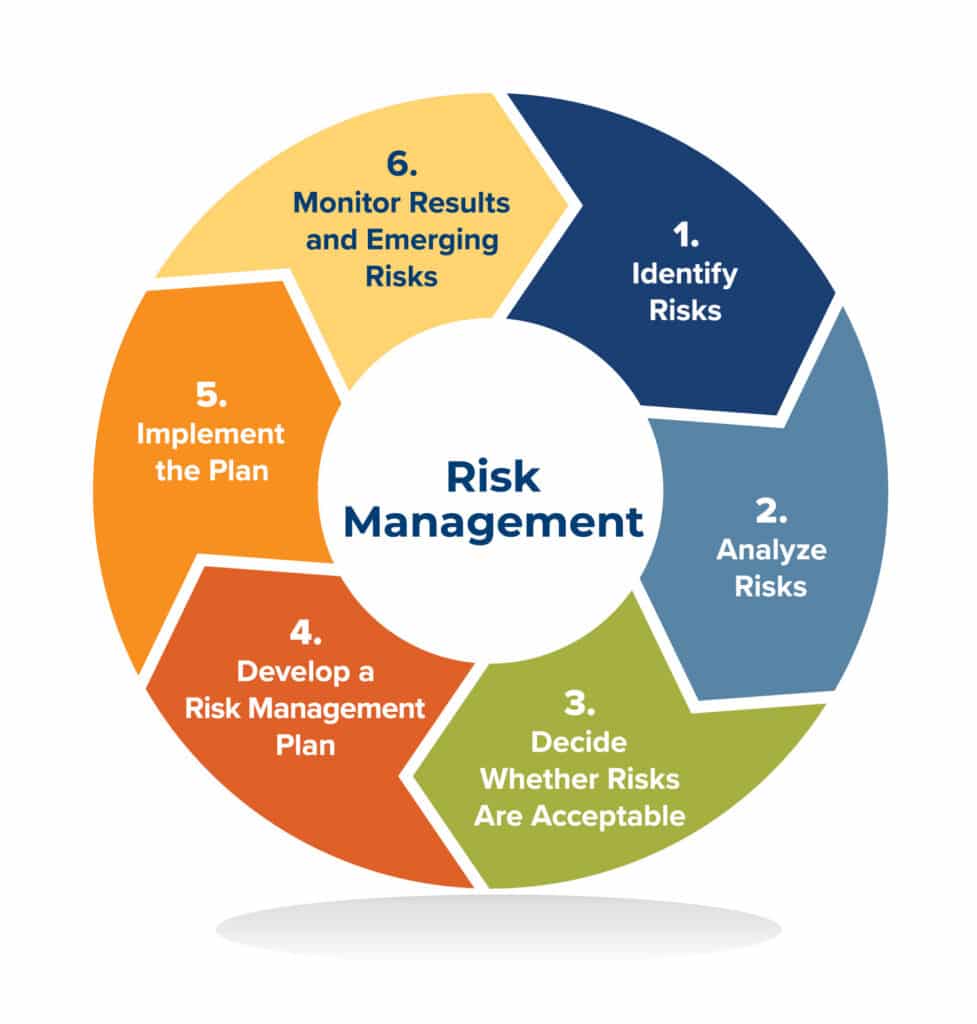
At NCOAE, participants learn that risk management follows a deliberate process rather than a single decision. It begins by:
- Identifying potential risks.
- Analyzing what those risks could mean, considering both the likelihood that something might occur and the consequences if it does.
From there, informed decisions can be made about whether the level of risk is acceptable for the activity and what actions may reduce unnecessary exposure. Sometimes that means modifying the plan, and other times it means delaying the activity. It may even mean proceeding because thoughtful preparation has already addressed the most significant concerns.
Returning to our expedition, perhaps the forecast improves and the original route remains appropriate. Maybe rising water leads the group to select a different campsite, or the departure occurs an hour earlier to avoid afternoon heat.
Every decision reflects the same principle: Good preparation creates better options.
Risk Management Creates Better Experiences
Some people hear the words risk management and imagine restrictions. In practice, thoughtful risk management creates opportunities. When participants understand the environment, communicate clearly, prepare appropriately, and make informed decisions, they often gain confidence to pursue experiences they might otherwise avoid.
Preparation supports learning.
Planning improves judgment.
Clear communication strengthens teamwork.
Thoughtful decisions allow groups to adapt when conditions inevitably change.
Whether you’re leading a service project, coordinating a school program, supervising employees, or traveling through the backcountry, careful preparation always helps people focus more fully on the experience. Why? Because fewer decisions must be made under unnecessary pressure. That is one of the lasting values of effective risk management
What the Risk Management Series Will Explore
Throughout this series, we’ll examine how thoughtful preparation supports better decisions before, during, and after an activity. Upcoming posts will explore the risk management cycle, methods for identifying and evaluating risk, situational awareness, decision-making, communication, changing conditions, and continuous learning.
If you’re considering our forthcoming Approaches for Anticipating and Minimizing Unacceptable Risks course or participating in one of our outdoor education programs, this series will introduce the principles that support thoughtful planning while offering a practical look at how risk management applies in everyday life.
The questions we’ll explore include:
- How do I recognize risks before they become problems?
- Which risks deserve the greatest attention?
- How do changing conditions influence good decisions?
- What role does communication play in managing risk?
- How can thoughtful preparation improve both safety and learning?
Those questions extend well beyond outdoor education. They belong anywhere people accept responsibility for planning ahead and making informed decisions.
Good Risk Management Begins Before It’s Needed
If we’ve done our job well, you now know that risk management begins long before an emergency demands it. It starts with paying attention, gathering the right information, recognizing uncertainty, thinking through possible outcomes, communicating openly, and making informed decisions before circumstances make those decisions for you.
Whether you’re preparing for a backcountry expedition, leading a launch team at work, organizing a conference, or planning your next adventure, thoughtful preparation creates better decisions, experiences, and outcomes.
And that process begins long before something goes wrong.
– – – – – – – – –
Editor’s Note: To learn about our forthcoming Principles of Risk Management course (delivered online), please send an email to info@ncoae.org with “Principles of Risk Management” in the subject line.
TALK TO US
Have any further questions about our courses, what you’ll learn, or what else to expect? Contact us, we’re here to help!
Leave a comment