

Planning Backcountry Adventures in an Era of Extremes: 4 Essential Tips
WeatherFlash floods. Drought. Heat domes. Triple-digit heat indexes. Fire clouds. Those aren’t predictions from some distant climate scenario, they’re terms pulled from today’s headlines, actively transforming how we approach wilderness adventures and outdoor expeditions.
Some of these news stories hit close to home for anyone embarking on outdoor adventure programs or remote excursions. In late August of this year, a catastrophic flash flood triggered by a glacial collapse swept through a mountainous region of Nepal popular with trekkers, killing hundreds and leaving thousands missing.
Days later, a violent thunderstorm sent floodwaters roaring through Bright Angel Canyon in Grand Canyon National Park, killing two hikers, destroying footbridges, and forcing evacuations, underscoring why backcountry safety and wilderness medicine are more critical than ever.
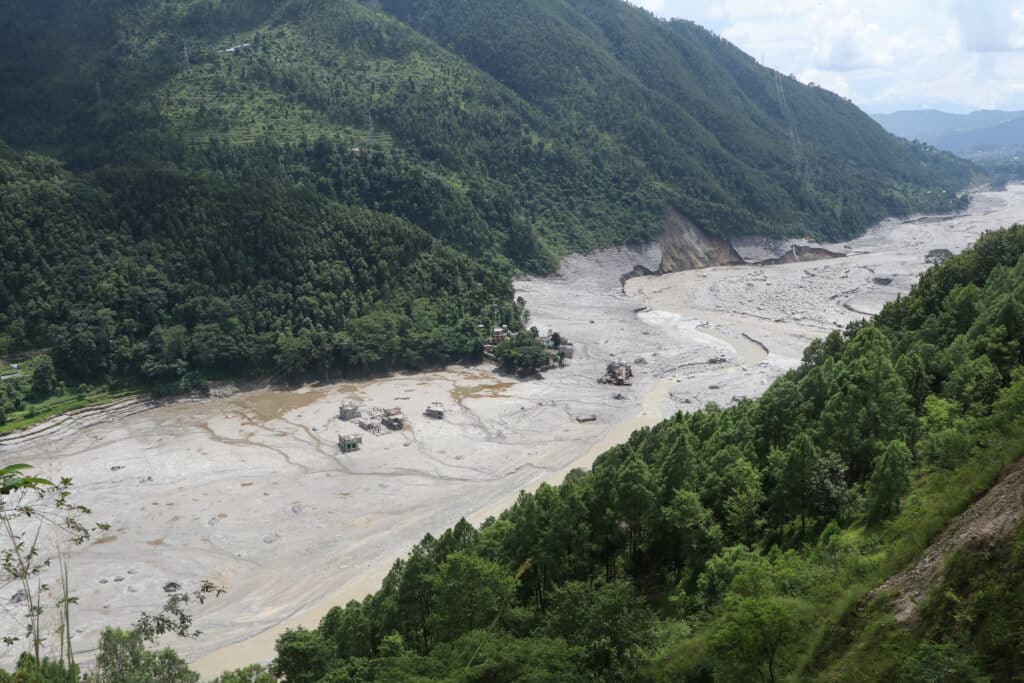
Nature has always challenged, and sometimes punished, those daring enough to explore remote backcountry destinations. But rapidly changing atmospheric conditions have raised the stakes, even in more hospitable environments. Whether organizing guided wilderness programs or setting out for an afternoon hike, proper preparation and solid outdoor skills are more critical than ever. It means looking beyond historical norms and planning for worst-case weather shifts.
In the outdoor education and human-powered recreation industry, the playing field is constantly shifting, making it essential to continuously evaluate conditions before venturing into the backcountry.
Having recently returned from a month leading backcountry trips in New England and preparing for upcoming trips in the Southeast, I’ve experienced firsthand how adaptable outdoor enthusiasts must be; whether planning single-day outings or multi-day outdoor expeditions in remote areas.
I spend an enormous amount of time guiding adventure travel and wilderness trips in remote locations, building a deep catalog of where to go and when to avoid certain areas. But lately, even years of experience aren’t enough. I’m no longer planning around locations and calendar seasons alone. I am also having to account for potential wildfires, floods, droughts, extreme heat, and tornadoes turning up at unexpected times in unexpected places.
That started me thinking about everyday adventurers who venture into the backcountry without formal instruction or decades of experience. How can they build essential skills to prepare for unexpected hazards that weren’t an issue during past visits?
With that in mind, here are four tips to help you plan a safer, more rewarding trip when everything you knew about a destination’s environmental challenges may no longer apply.
Tip 1: Plan and prepare
“Plan ahead & prepare” is the first of the core Leave No Trace principles (LNT principles), and it used to mean picking a spot, coordinating dates with companions, and heading out. Not anymore! In today’s shifting climate, proper trip preparation requires applying careful observation to monitor conditions and gather local beta (the latest firsthand information about trails, water, weather, and hazards) long before putting feet on the ground. Are conditions ripe for a forest fire? Will there be water in the rivers and lakes? Is there potential for heavy weather, tropical storms, or flash flooding?
Last year, local rivers I frequent hit all-time-high water levels, making paddling hazardous and damaging surrounding trails. Today, lake levels are strikingly low, and rivers look more like cobbled pathways than waterways. An excursion downriver or a canoe camping trip isn’t happening anytime soon. While historical data was once reliable, today’s travel requires reaching out directly to outfitters and local contacts to verify live conditions before finalizing your plans.
Pro Tip: Consider travel insurance. If your plans include a flight, hotel, and car rental, travel insurance can make it less costly to cancel if nature throws you a curve ball. Travel insurance runs roughly 4 to 8 percent of your trip costs, flights, and hotel and sometimes includes some medical coverage. For $1,000 dollars of coverage, you pay around $40.
I recently spoke with someone who had to cancel trip plans due to regional wildfires. Without trip insurance, they’re now struggling to recover non-refundable expenses—a common risk when planning unguided trips.
Tip 2: Evaluate / reevaluate when and where to travel
Look closely at the regions you plan to explore and research real-time backcountry conditions right up until departure. Evaluate and reevaluate where and when to travel based on current environmental realities. Never assume last season’s weather patterns or last month’s trail conditions still apply. Wildfires, sudden drought, and severe atmospheric shifts can quickly change where it makes sense to launch backcountry trips.
Monitor Active Fires and Air Quality
Wildfires can impact your trip even when flames are miles from your route. Dense smoke creates hazardous air quality, while active fires force trail and road closures that can compromise safety during backcountry excursions. Before embarking on remote travel, take a few minutes to evaluate real-time conditions and pack accordingly:
- Use tracking tools like InciWeb or Watch Duty to access real-time wildfire updates and containment data before you leave.
- Look at air quality forecasts on AirNow to ensure your destination is safe from heavy smoke.
- Check local ranger stations or land manager websites for the latest trail and road closures just before arrival.
- Pack N95 masks.
Consider Local Flood Risks
With little warning, severe flooding can turn a familiar trail, campsite, or river crossing into a hazard. Even under clear skies, upstream rainfall miles away can put backcountry travelers at risk. Before embarking on wilderness trips, understand where flash floods occur, watch changing water levels, and establish an emergency plan for getting to safety.
Monitor Weather Closely
- Check daily forecasts and severe-weather apps for upstream rainfall warnings before and during your trip.
- Identify local escape routes and higher ground options before setting up camp.
Pack Waterproof Gear
- Store sleeping bags and spare clothing inside heavy-duty dry bags or plastic trash can liners.
- Use a ground tarp cut slightly smaller than your tent floor, so it does not trap and pool water under the tent.
Choose High Ground
- Pitch your tent at least 100 yards away from rivers, streams, and low-lying valleys.
- Avoid natural drainage channels, dry riverbeds, and depressions where water pools.
Know When to Flee
- Move to high ground immediately if you notice even a slight or sudden rise in local water levels.
- Never attempt to walk, swim, or drive through fast-moving flood waters.
Preparing for Drought and Dry Conditions
Prolonged dry weather can change much more than the scenery. Water sources may disappear, fire danger can soar, and routine backcountry activities—from campsite selection to meal preparation—require elevated care. Before launching multi-day outings, evaluate how arid conditions impact your route and adjust your supplies accordingly.
Check Fire Restrictions
- Obey local bans: Always check official local or park fire bans before leaving.
- Bring a stove: Pack a portable propane or gas camp stove instead of relying on a campfire.
- Clear the area: If fires are allowed, clear all twigs, dry leaves, and dirt from around the fire ring.
Pack Extra Water
- Haul extra supply: Bring more water than you think you’ll need for drinking and cleaning.
- Confirm sources: Do not trust natural streams or pumps to be running or safe during a drought.
- Use multiple jugs: Split water into smaller containers so a single leak does not exhaust your supply.
Choose Safe Campsites
- Watch the brush: Avoid setting up your tent over dry grass, pine needles, or thick brush that can catch fire easily.
- Park carefully: Do not park hot vehicle exhaust pipes over tall, dry grass.
- Clear your space: Clear any flammable debris from the ground around your tent.
Adjust Meals and Hygiene
- Plan no-cook food: Bring foods that need zero water or cooking.
- Save wash water: Use wet wipes for cleaning, or wash dishes using a tiny trickle of water in a small tub.
- Store trash tight: Keep all trash sealed up so wildlife does not look for scarce water or food in your camp.
Tip 3: Learn to read conditions during your trip
I hear story after story of people who bailed on a trip due to a threatening forecast, only to discover later that the bad weather lasted only an hour or never materialized at all. Others get caught by sudden storms they didn’t see coming. Digital forecasts and weather apps are valuable tools, but they aren’t infallible, and in remote areas, cell signal disappears entirely.
Weather awareness requires more than trusting seasonal patterns or checking an app before departure. Developing core outdoor skills means learning to read the sky and your immediate surroundings for environmental shifts. The more field observation tools you have in your forecasting toolbox, the better equipped you’ll be to adapt your route decisions or head to safety when conditions change.
Reading the Sky and Environment
Long before digital weather apps, backcountry travelers relied on natural indicators to predict atmospheric changes. Developing these observational skills gives you time to prepare, alter course, or seek shelter during unexpected storms:
- Cumulonimbus clouds: Look for dark, tall anvil-shaped clouds that signal heavy rain, lightning, or tornadoes.
- Red sky in the east or west: Recall the adage: “Red sky at night, a sailor’s delight. Red sky in the morning, sailors take warning.” In the middle latitudes, weather systems generally move from west to east. A deeply red sky indicates a high-pressure system, which traps dust, salt, and dry aerosols close to the ground, causing the sky to turn red. When that high-pressure system is west of you, it’s moving toward you, bringing fair weather. When it’s east of you, a low-pressure system is likely headed your way, potentially bringing wetter, stormy weather.
- Haloes: Notice rings around the sun or moon, which show upper-atmosphere moisture and incoming precipitation. Recall the adage: “A ring around the sun or moon means rain or snow is coming soon.”
- Sudden shifts: Pay attention to rapid temperature drops, abrupt changes in wind speed or direction, and quickly darkening skies, all of which can signal an approaching front or thunderstorm. Heavy plant smells, brought on by rising humidity, can also be a sign of unstable atmospheric conditions.
Using Safety Rules and Alerts
Reading the sky can tell you a lot, but you shouldn’t rely on your own observations alone. Established weather-safety rules and official alerts can help you recognize when conditions are becoming dangerous and, more importantly, when it’s time to act:
- Thunder: Current U.S. lightning-safety guidance generally emphasizes, “When thunder roars, go indoors.” (This guidance is stricter than the 30/30 rule: If you hear thunder within 30 seconds of seeing a lightning flash, the lightning is closer than six miles, so seek safe shelter immediately.)
- Lightning safety: If you hear thunder, seek a substantial building or hard-topped vehicle immediately. If no safe shelter is available, remember that a tent will not protect you from lightning. Get off exposed or elevated terrain; stay away from water, isolated trees, and conductive objects; and spread out if you’re traveling with a group, so a single lightning strike is less likely to injure everyone in your party. In a forest, lower terrain among shorter trees is preferable to being near an isolated tall tree, but also remain aware of any flooding risks that may be elevated by moving to lower terrain.
- Watch versus warning: A watch means severe weather is possible (stay alert); a warning means severe weather is happening or imminent (take action).
- Electronic backup: Keep emergency alerts enabled on your phone and carry a portable, battery-powered weather radio as a backup for when cell service is unavailable.
Tip 4: Be flexible and beware of “summit fever”
“Summit fever” is a term used to describe a dangerous mental state in which a person becomes so obsessed with reaching the top of a mountain that the climber ignores clear warning signs like bad weather, severe tiredness, or other dangers. In other words, the climber has a severe case of tunnel vision that prevents rational thinking.
To avoid becoming a victim of summit fever, commit to flexibility as you plan your trip and maintain that commitment over the entire trip. Before you leave, be open to changing your destination, route, schedule, or even the dates of your trip if conditions warrant it. Once you’re underway, keep reassessing the weather, trail conditions, water availability, fire activity, and other potential hazards.
Turning around, taking a different route, or calling a trip short isn’t a failure. It’s just good decision-making. The goal isn’t to stick to the plan at all costs; it’s to adapt the plan as conditions change so everyone gets home safely.
Pro Tip: Develop contingency plans. The best way to remain flexible is returning to Tip 1 and creating backup itineraries. Select alternate dates, route options, or activities, and pack accordingly. A solid backup plan can mean the difference between an awesome adventure and sitting at home recovering from an avoidable emergency.
Extreme conditions increase inherent risks, but proactive habits allow you to mitigate hazards effectively. Researching destinations, tracking weather, observing nature, and staying adaptable test your planning capabilities, highlighting where your knowledge is strong and where you need further practice.
The backcountry will always be unpredictable. You cannot control severe weather, wildfires, or drought, but you control your preparation, environmental awareness, and willingness to pivot.
Ready to build confidence and elevate your backcountry preparedness? Explore NCOAE’s courses and certifications to master real-world risk management, or contact our team to plan a custom trip. Let’s get you prepared for your next journey!
Frequently Asked Questions
How do I verify real-time weather and fire hazards before starting a wilderness trip?
To gather accurate conditions beyond standard weather apps, contact local ranger stations or outfitters directly within 24 to 48 hours of your departure to get firsthand “local beta.”
Fire & Air Quality Tracking: Use real-time monitoring tools like InciWeb or Watch Duty for active fire containment updates, and check AirNow for regional smoke and air quality forecasts.
Trail & Road Closures: Review official land manager websites or call local forestry offices to confirm trail washouts, road closures, or temporary fire bans.
Upstream Flood Hazards: Check radar apps for heavy rainfall upstream, as severe flash floods can travel miles downstream under locally clear skies.
What steps should I take to minimize flash flood risks at my campsite?
Pitch your tent on high ground; at least 100 yards away from rivers, streams, dry riverbeds, and low-lying drainage channels where water naturally pools.
Map Escape Routes: Identify higher ground and clear exit paths before pitching your shelter.
Protect Essential Gear: Store sleeping bags and extra clothing inside heavy-duty dry bags or waterproof liners to keep them dry during heavy rain.
Monitor Water Levels: Move to higher ground immediately if you notice sudden water discoloration or rising stream levels, and never attempt to walk, swim, or drive through fast-moving floodwaters.
What is “summit fever,” and how can I prevent it from compromising trip safety?
Summit fever is an obsessive state of tunnel vision where an adventurer becomes so focused on reaching a goal, such as a mountain peak or campsite, that they ignore obvious dangers like severe weather, physical exhaustion, or incoming storms.
Establish Turn-Around Times: Set a strict, non-negotiable turn-around time prior to starting your trek, regardless of how close you are to the destination.
Build Contingency Plans: Develop alternate routes, backup dates, or secondary objectives before leaving home so pivoting feels like a planned adjustment rather than a failure.
Prioritize Safe Returns: Remember that turning back, rerouting, or ending a trip early is smart risk management designed to ensure everyone returns home safely.
– – – – – – –
About the Author: Stephen Mullaney is the Director of School Partnerships and Staff Development at The National Center for Outdoor & Adventure Education (NCOAE).
Administering Oxygen: What Every EMT Must Know
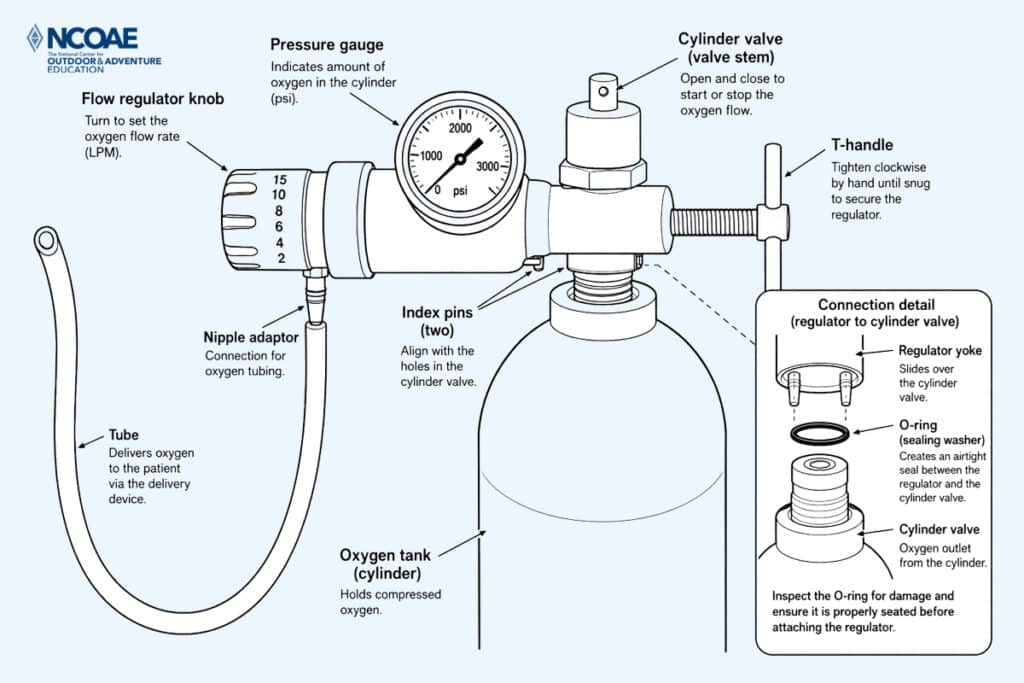
Emergency MedicineProperly operating an oxygen cylinder is among the first hands-on skills every EMT student learns in training. On the surface, it looks simple enough: Just attach the regulator, open the valve, and boom! You’re good to go.
But the apparent simplicity of the operation can be deceiving. For instance:
- A damaged O-ring can cause a leak.
- An unsecured cylinder can become a dangerous projectile.
- Failing to check tank pressure can leave you without oxygen just when your patient needs it most.
Whether you’re a medic in an ambulance or providing care in the backcountry, knowing how to safely set up and operate an oxygen cylinder is a foundational emergency medicine skill. This post brings you up to speed on the fundamentals of administering oxygen.
Oxygen Is Medication: While oxygen may be readily available, that doesn’t mean every patient needs it. It’s a medication that should be administered only when clinically indicated and according to current protocols and each patient’s needs. Before any of that can happen, however, you need to get the oxygen safely from the cylinder to the patient.
When Administering Oxygen, Safety Comes First
All of us learned in middle school science that oxygen makes fire burn faster, so whenever you’re working around concentrated oxygen, take the following precautions: (more…)
Risk Management Starts Way Before Something Goes Wrong
Principles of Risk ManagementEditor’s Note: This post begins our Risk Management series, created for anyone who wants to better understand how thoughtful planning and informed decision-making seeks to reduce unnecessary risk before an activity begins. Each post in this series introduces practical risk management concepts that apply in many settings, including outdoor recreation, education, workplaces, community organizations, and any environment where preparation influences outcomes.
If you work in outdoor education or adventure programming, this will sound familiar. You’re preparing for a multi-day backcountry expedition. Maps are spread across the table and the weather forecast has changed twice during the past 24 hours. Three participants have years of backpacking experience, while six others have never carried a pack as heavy as the course demands. Water sources along the route may be lower than expected, and a stream crossing could become more challenging if rain arrives sooner than expected.
Before anyone takes the first step, dozens of decisions have already begun to take place — some involving equipment, others involving people. Still others require thinking through the terrain, weather, group dynamics, travel pace, and what might happen if conditions change.
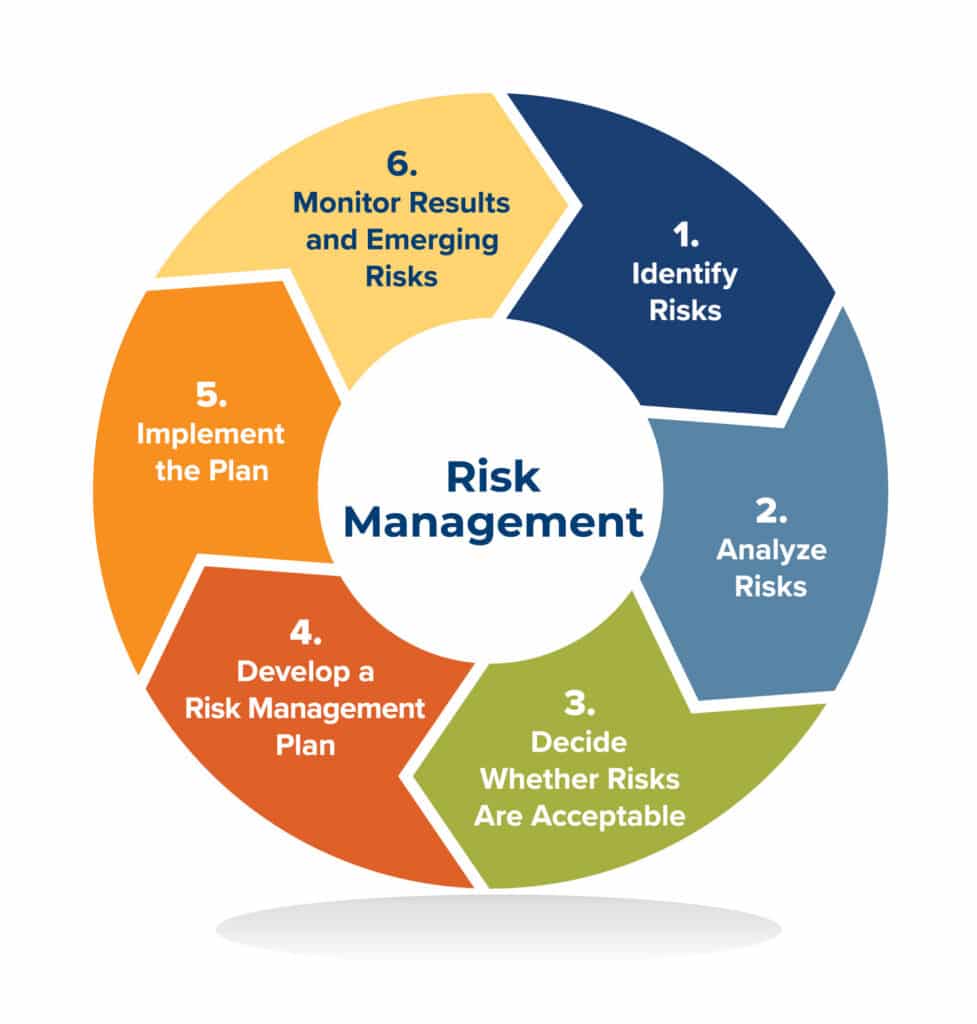
None of this may feel dramatic, and that’s precisely the point for those of us who work in the human-powered sector of the outdoor industry. That’s because risk management begins long before an incident occurs.
At The National Center for Outdoor & Adventure Education (NCOAE), we view risk management as a thoughtful process rather than a reaction to an emergency. It begins by recognizing what could happen, considering what those possibilities might mean, deciding what level of risk makes sense for the activity, and acting accordingly.
Our outdoor education courses provide participants with opportunities to practice those skills in real environments, but the principles themselves extend far beyond the backcountry. Risk management influences how businesses plan projects, educators prepare field experiences, nonprofit organizations coordinate volunteers, families make (more…)
Understanding the Roles of Special Teams in Emergency Medical Services (EMS)
EMT TrainingIn American football, every team in the National Football League (NFL) has an offensive unit, a defensive unit, and a small collection of what are often referred to as “special teams.”
These special teams take the field only during critical moments of the game, such as kickoffs and returns, punts and returns, field goals and extra points (after a touchdown.)
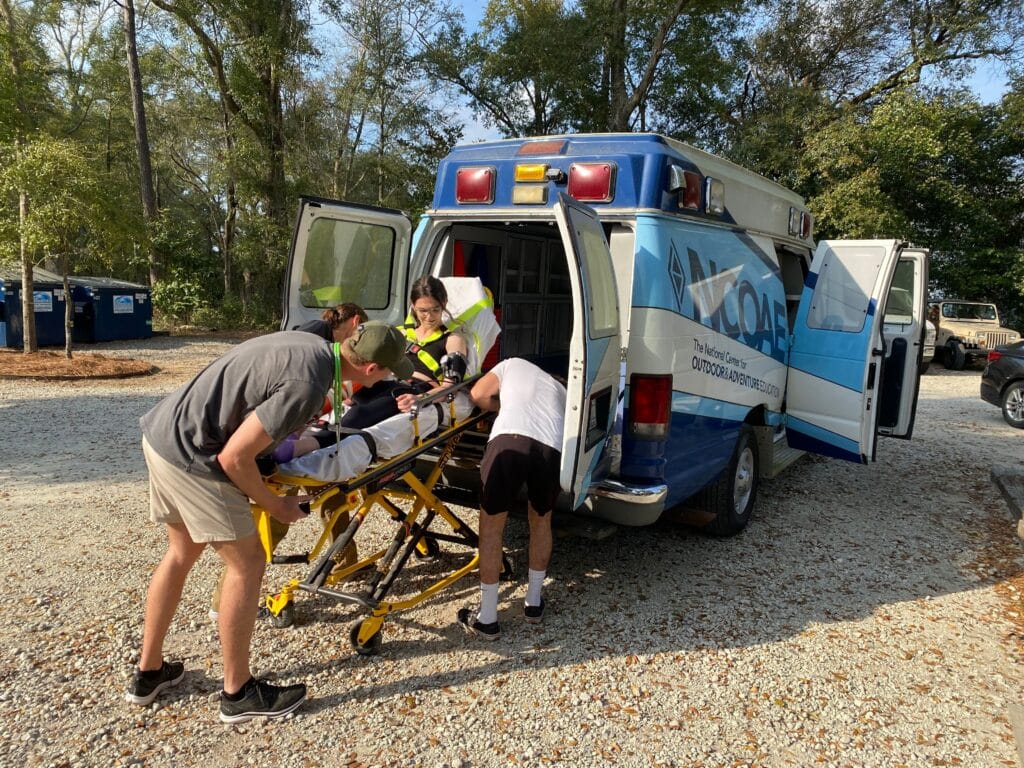
Likewise, emergency medical personnel have conventional teams that respond to ordinary emergencies and they have special teams that are called in to respond to unique, often high-risk situations. These EMS special teams have advanced training and equipment for the following tasks:
- Responding to disasters, such as earthquakes, hurricanes, and tornadoes
- Airlifting seriously ill or injured patients to medical facilities
- Responding to situations involving hazardous materials (HazMat)
- Conducting search and rescue (SAR) operations
- Providing tactical EMS (TEMS) during high-risk law-enforcement operations
- Rescuing people from dangerous scenes (technical rescue)
- Rescuing people in or around water (water rescue)
- Caring for ill or injured parties in backcountry settings (wilderness medicine)
This post brings you up to speed on these EMS special teams and the additional training and certification needed to qualify for each.
Disaster Medical Assistance Team (DMAT)
Disaster Medical Assistance Team members (DMATs) provide medical care in response to large disasters, such as earthquakes, tornadoes, hurricanes, and other mass-casualty events. These teams are organized at the federal level and deploy anywhere they’re needed across the United States.
Most clinical DMAT members must have a current, unrestricted certification or license as one of the following (hours listed are estimates across the U.S., but may vary by state and level):
- EMT: 240 hours
- Advanced EMT (AEMT): 300–500 hours
- Paramedic: 1,000–1,800 hours
- Registered Nurse (RN): 2–4 years
- Physician: 11–15 years
- Physician Assistant (PA): 2–6 years
- Nurse Practitioner (NP): 6–10 years
- Respiratory Therapist (RT): 2–3 years
- Pharmacist: 6–8 years
Flight EMS
Flight EMS involves transporting critically ill or injured patients by rotor-wing (helicopter) or fixed-wing (airplane) aircraft. Medical helicopters are used every day to transport patients from ambulance scenes to specialized hospitals or trauma centers and even from hospital to hospital in special cases. Fixed-wing medical transport typically fly greater distances than helicopters, picking up and dropping off their patients at airports, transferring patients from or to an ambulance crew.
Required certifications to be a flight paramedic or flight nurse typically include: (more…)
Outdoor Recreation Participation Is at a Record High: Now Comes the Real Work
Outdoor IndustryLast year, more people in the United States participated in outdoor recreation than ever before. And while that should energize anyone who believes in the power of outdoor experiences, it prompts those of us who work in outdoor education and adventure programming to pay close attention.
According to the 2026 Outdoor Participation Trends Report from Outdoor Industry Association (OIA) and the Outdoor Foundation, 183.2 million people ages 6 and older in the U.S. participated in outdoor recreation in 2025. That represents 59 percent of the population in that age group and marks the highest participation total ever recorded, according to OIA.
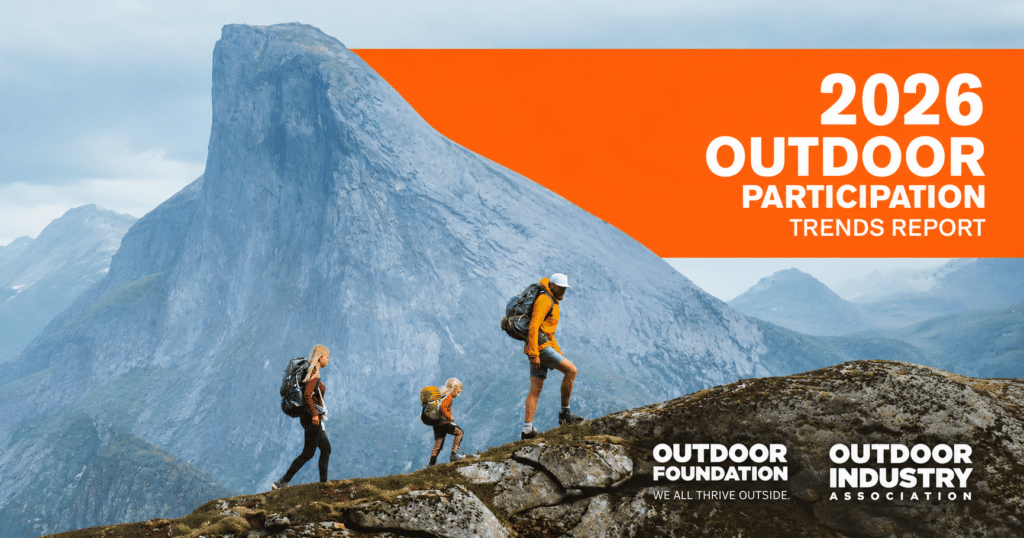
On the surface, that sounds like a straightforward win for human-powered outdoor recreation. More people hiking, camping, paddling, climbing, biking, exploring parks, and choosing time outdoors speaks to a growing desire for connection with the natural world.
However, the deeper story is asking far more of us.
The report also shows that outdoor participation has become more casual. Since 2019, the outdoor recreation participant base in the U.S. has grown by nearly 30 million people. Yet the average participant now engages in about five fewer outings per year than before the COVID-19 pandemic (March 2020 – May 2023). In other words, more people participate, but many do so less often.
For outdoor educators, parents, students, and community leaders, that gap shouldn’t be overlooked. Participation alone does not build lifelong outdoor confidence. Repeated experience, skill development, thoughtful instruction, and supportive community help turn a first step outside into a lasting outdoor life.
Outdoor Recreation Growth Points to a New Kind of Participant
The 2026 Outdoor Participation Trends Report confirms what many outdoor organizations, including The National Center for Outdoor & Adventure Education (NCOAE), have already felt: The outdoor community has expanded. New participants continue to enter the space, and the growth reaches across age, race, ethnicity, gender, income, and education.
For example, the report notes (more…)
Leadership Starts Before Anyone Calls You a Leader
Principles in LeadershipEditor’s Note: This post begins our Principles of Leadership series, created for anyone who wants to better understand what leadership looks like before, during, and after it’s called for. Each post in this series will introduce practical leadership concepts you can apply in a number of environments, including workplaces, classrooms, communities, and other settings. That also includes the backcountry where people depending on one another is a must. The series offers a preview of the deeper instruction, reflection, and application people experience in our forthcoming online course, Principles of Leadership, as well as when participating in any of our summer or semester courses for high school students; 10- or 14-day teen summer adventure camps in Ecuador, Oregon, Alaska, or North Carolina; hybrid and in-person EMT or wilderness medicine trainings; Camp L.E.A.D and Camp L.E.A.D. Pro day camps for youth and teens in North Carolina; Gap Semesters in the Pacific Northwest or North Carilina; custom outdoor programs for colleges, businesses, and non-profits; or our14-day Instructor Course.
————
Picture yourself in the backcountry with a group of eager outdoor enthusiasts that has reached a decision point. Everyone knows one another, either through school, community or friends of friends scenarios.
The route ahead looks manageable, although the group is tired. Someone should speak up. Someone needs to ask the right question. Someone could help the group pause, think, communicate, and move forward with purpose.
No one hands you a title in that moment. Nobody announces, “You’re the leader now.” Still, leadership might begin right there.
At The National Center for Outdoor & Adventure Education (NCOAE), we believe leadership starts before a title appears. It begins when someone chooses to take responsibility for their role in a group, and it grows through self-awareness, clear communication, sound judgment, and a willingness to help others move toward shared objectives and goals in a sound and informed way.
An NCOAE course gives participants a real setting to practice leadership, but the skills themselves travel far beyond the outdoor course environment. Leadership can show up in a classroom discussion, a workplace project, a volunteer effort, a family decision, a peer group, or any situation where people need direction and clarity.
Leadership Begins With Responsibility
Many people may think leadership starts when someone receives authority. A job title. A role assignment. A position at the front of the group. An ownership stake in a company.
In practice, leadership often begins earlier.
It begins when you notice (more…)
Safety Should Always Come First During a Wilderness Medicine Scene Size-up
Wilderness MedicineSafety first! That short phrase has been a mantra in outdoor adventure and education for as long as I can remember. In wilderness medicine, safety is also, and obviously, a top priority.
It’s counterintuitive, but the first person you need to protect is yourself, along with other members of your team. Rushing into a scene without first assessing potential hazards can quickly turn one victim into two or three or more.
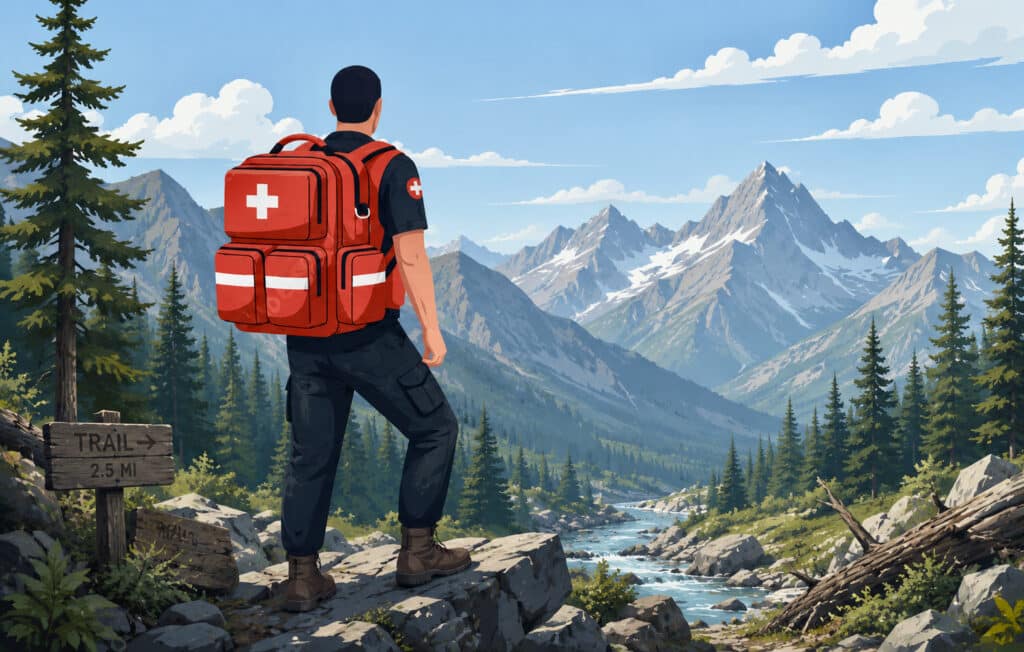
As part of our emergency medical service (EMS) training here at The National Center for Outdoor & Adventure Education (NCOAE), we are taught to perform a scene size-up before treating ill or injured parties in any situation. We check for hazards, try to determine the mechanism of injury (MOI) or nature of illness (NOI), count patients, and determine whether additional equipment or resources are needed. An example? Grabbing up a cervical collar and stretcher for spinal motion restriction (SMR).
See our previous post “The Role of Assessment in Wilderness Medicine” for additional details.
One component of the scene size-up that’s often overlooked is the safety check. We’re all taught to check a scene for safety, but few of us perform a thorough one. Even fewer perform a secondary safety check to verify that the scene is still safe after we (more…)
Communication Breakdown: Not an Option in Wilderness Medicine
Wilderness MedicineIf you’ve ever heard Led Zeppelin’s 1969 classic “Communication Breakdown,” you know how quickly things can go sideways when people aren’t on the same page.
In this case, the second greatest rock ’n’ roll band of all time (yeah, I said it and we can discuss that issue later) was singing about communication in a romantic relationship. In wilderness medicine, the stakes are a bit higher than a broken heart, meaning you could be talking about a full-on cardiac arrest!
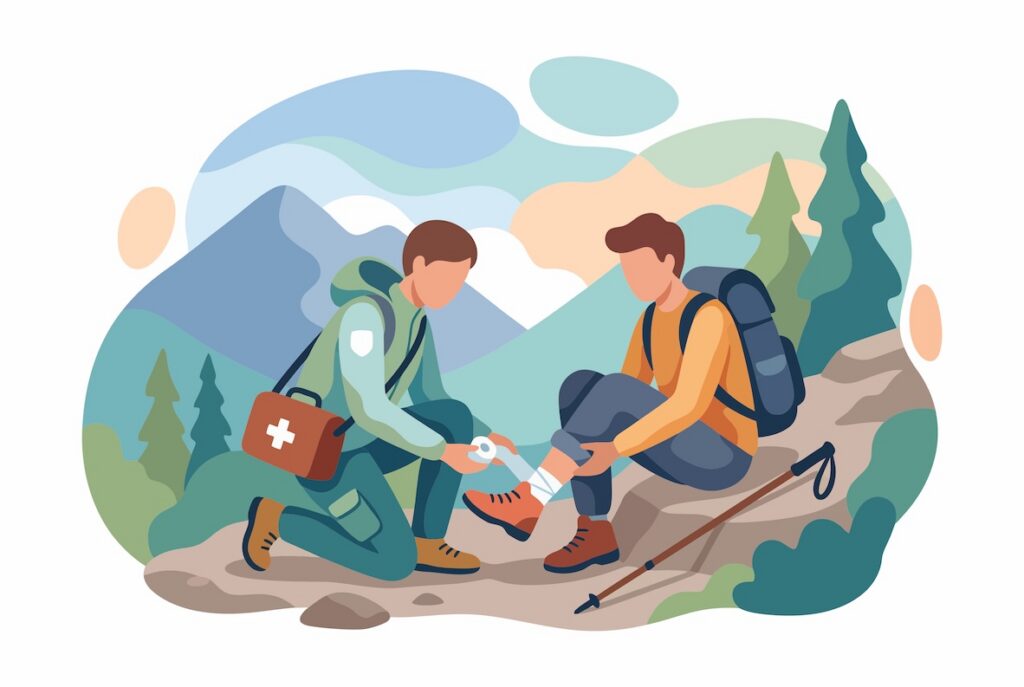
Out in the backcountry, whether you’re dealing with a twisted ankle or a full-blown medical emergency, clear, calm communication can make the difference between an effective treatment/evacuation and a chaotic situation that spirals out of control.
This post presents guidance on how to communicate with sick or injured parties in emergency settings and keeping patients and their loved ones informed and reassured, so you can get on with the business of providing effective medical treatment.
Getting Up to Speed on Therapeutic Communication Fundamentals
Therapeutic communication is simply a set of best practices for helping patients feel heard, understood, and a little less freaked out when they’re sick, injured, exhausted, and at wit’s end. And in the backcountry, that matters — a lot.
It starts before you even say a word. Nonverbal cues are the equivalent of making a good first impression. These can be broken down into three categories: (more…)
The Role of Culturally Relevant Practices in Outdoor Education
Outdoor EducationEarly in my career I had the opportunity to work with a group of international teachers. The teachers were in the United States doing graduate work at a university that required an outdoor education component.
I greeted them and started things off with some typical outdoor education icebreaker activities, including a game called Help Tag. It’s a typical game of tag where players can “unfreeze” or rescue tagged teammates. However, I noticed the entire group froze. There was definitely something about the game that was unsettling to the participants. They were just standing there.
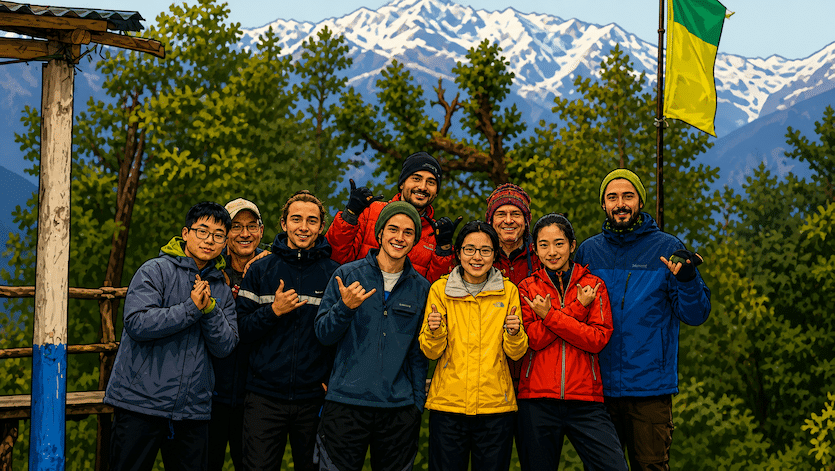
I gathered the group into a circle and asked what was wrong and was told the game wasn’t the way they play tag in their country. In fact, they said the version of the game I was proposing was a little scary.
I felt terrible — it was as if I had done more harm than good.
At the end of the day, using a reflective circle, I created time to debrief the activity. When I asked the group how they might teach a lesson that would reach my intended outcome, instead of just talking, they actually taught me a few games that they would have chosen for the lesson.
This was an incredible learning experience. It opened my eyes to the fact that, despite all the training sessions I had attended, all the mentors and organizations I had worked for, no one ever mentioned the importance of selecting games or using language in relationships tailored to the culture(s) with which I would be working. Instead, we depended on the books and activities we had on hand and simply pick one when facilitating programs.
Those teachers gave me real-time training on being culturally aware and responsive — training I should have received from (more…)
Being a Good Samaritan in Wilderness Medicine Without Becoming the Target of a Lawsuit
Wilderness MedicineIn a litigious (lawsuit-happy) society like the one we hear about all-too frequently these days, medical professionals — and that includes wilderness medicine providers —absolutely must remain aware of the possibility of being sued by a patient or a patient’s family.
For certain, most states have “Good Samaritan” laws to protect those who volunteer to help others in emergencies against frivolous lawsuits, but those laws vary from state to state and may have some exceptions.
This blog post brings you up to speed on what Good Samaritan laws are, what they entail, and how you may be able to reduce your chances of becoming a target of lawsuits when you’re doing your best to help a fellow human in distress.
Shameless disclaimer: I am not an attorney, nor am I overly fond of them, except for The National Center for Outdoor Adventure and Education’s (NCOAE) legal counsel — they’re great! This post is intended to provide some basic guidance for providing medical care in a wilderness setting in a manner that could prevent you from becoming the target of a lawsuit. However, it is no substitute for professional legal advice.
What Is a Good Samaritan?
The Good Samaritan comes from a
(more…)Survival in Balance: Autonomic Nervous System Control in Wilderness Medicine
Wilderness MedicineIn the wilderness, balance is the foundation of survival. A misstep on uneven terrain, poor pacing on a long trek, or exposure to extreme weather can quickly tip the scales from stability to crisis.
Nature itself operates in balance: day and night regulate temperature, along with alternating periods of activity and rest; ecosystems rely on opposing forces working together (predator-prey dynamics, life and death, photosynthesis and respiration). Muscle and bone development is largely driven by the body’s efforts to overcome gravitational forces, and the very act of walking involves shifting balance from one leg to the other.
Nothing captures the concept of complementary opposites working together to establish balance and harmony than the yin and yang of ancient Chinese philosophy. It applies to all aspects of life — night and day, hot and cold, good and evil, masculinity and femininity, happiness and sadness, health and illness.

In the human body, that balance is maintained through homeostasis, largely regulated by the autonomic nervous system — the part of the nervous system that regulates involuntary physiological processes, including heart rate, blood pressure, breathing, and digestion. The autonomic nervous system is able to perform its magic thanks to two complementary components — the sympathetic and parasympathetic nervous systems.
(more…)Catching the Best While Dodging the Worst: Weather Monitoring for Outdoor Education and Adventure Programming
Risk ManagementMaps cover the floor like carpet. I’m perched on the edge of a couch in the back room of a surf shop, watching the Weather Channel. I jot down timing, wind speed and direction, barometric pressure, tides, and air and water temps. Then I study the maps and place pebbles where I might score big winter swells.
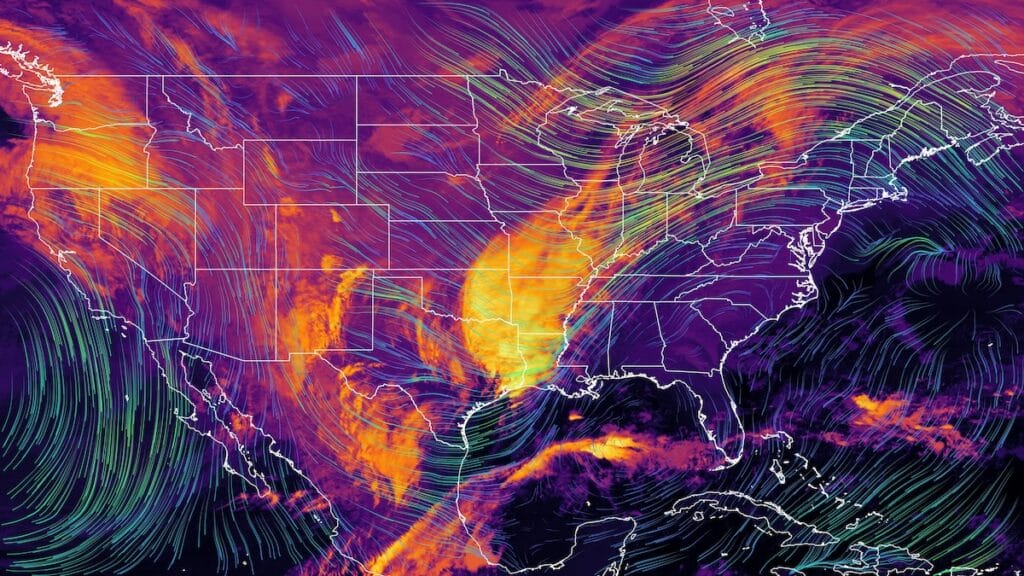
My objective is simple: maximize fun while reducing risk.
Thoughtful weather monitoring plays a central role in that. It helps identify, analyze, and reduce risks tied to changing conditions by combining real-time data, historical patterns, and forecast trends. For organizations like The National Center for Outdoor & Adventure Education (NCOAE), it supports preparation, protects operations, and, most importantly, keeps participants safe.
Over the years at NCOAE, I’ve thoughtfully pushed myself and others with similar skills right to the edge of our comfort zones. From that experience, I built a three-tier framework to assess and reduce weather-related risk. This post breaks it down.
The Three-Tier Framework
Before heading out, I run every trip through a simple framework that keeps my decisions grounded and intentional. It helps me stay focused on what matters most: making the most of the experience while staying prepared for what could go wrong.
Here’s the framework:
(more…)Everyday Carry in Wilderness Medicine
Expedition MindsetBackcountry travel and wilderness recreation means traveling light while having everything we need to survive. A small problem like a deep cut or a sudden change in weather can quickly become an emergency when civilization is miles away.
That’s why wilderness medicine starts long before anything goes wrong. It starts with what you carry.
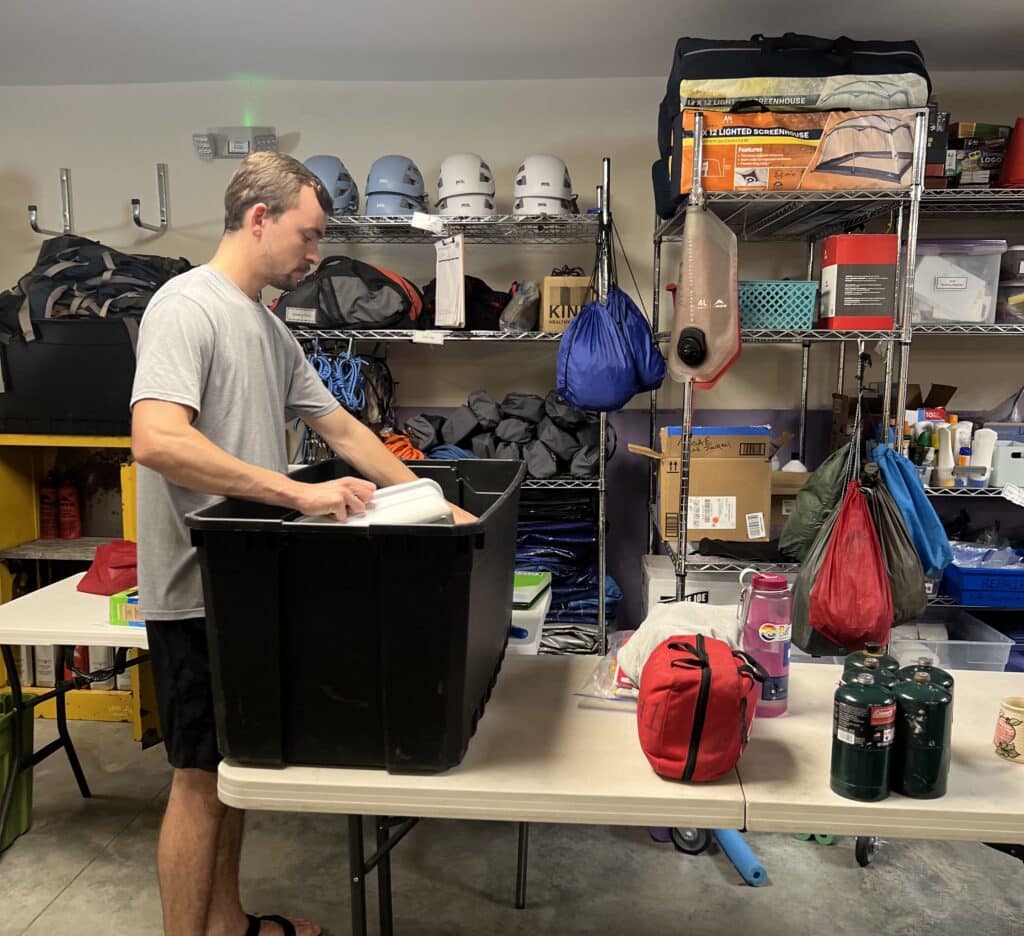
Everyday carry (EDC) is a popular topic of conversation among those in the self-defense and prepper communities, from which the term was born. In the world of wilderness medicine, EDC — or Echo Delta Charlie for those of you with phonetic alphabet experience — refers to the carefully selected tools and supplies you keep with you at all times to respond to injuries and illness that can occur in remote wilderness and backcountry settings.
In this NCOAE blog post, I explore the essential items you may want to include in your wilderness EDC and explains how a few well-chosen items can make a big difference when you’re far from help.
Think of EDC as a less formal wilderness first aid kit. Some EDC items are on “your person” meaning in clothes pockets and on a pants belt. Other items may be in a “go bag” that you always have with you. Your EDC’s contents, comprehension, and container will be personalized based on your expectations, risk tolerance, and how light you prefer to travel.
Building an ‘Expedition Every Day’ Mindset
Expedition MindsetBy definition, an expedition is quite a big deal. Typically, it involves a crew of people, covers a lot of territory, and lasts for weeks, sometimes months. Several examples come to mind. There’s Columbus’ first voyage to discover a western passage to China in 1492, Lewis and Clark’s Corps of Discovery Expedition from 1804 to 1806, Earnest Shackleton’s Imperial Trans-Antarctic Expedition from 1914 to 1917, and the Apollo 11 moon mission in 1969 to name a few.
I’ve been on a number of weeks-long expeditions with groups of various sizes, so I’m well aware of the planning and preparation that a successful wilderness expedition demands. The way I see it, the expedition is the culmination of that planning and preparation.
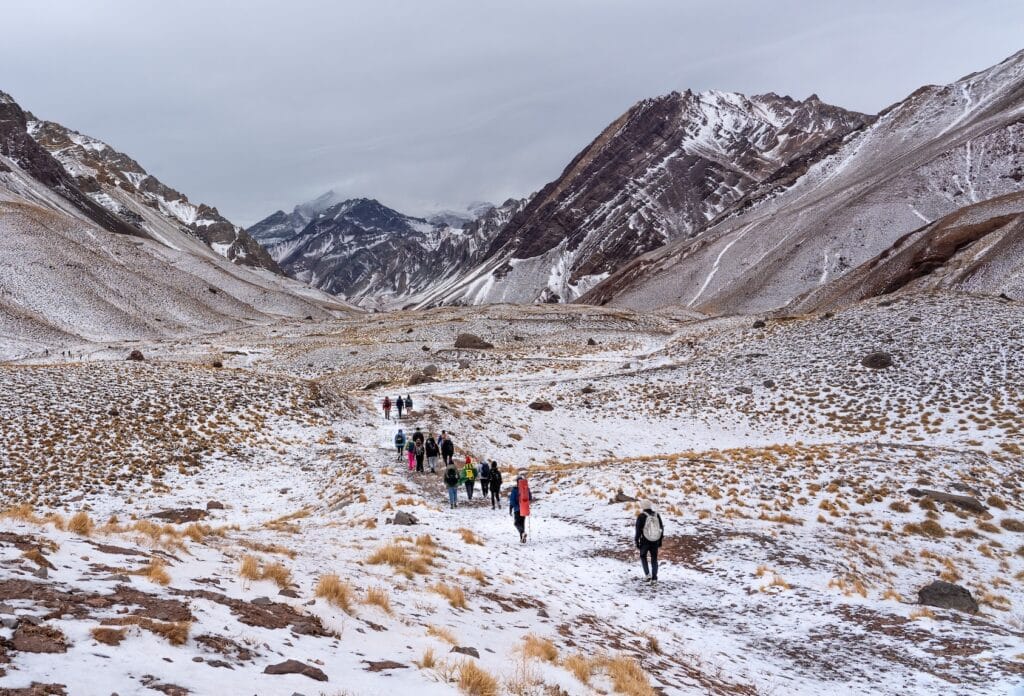
The preparation required comes in several layers:
- Physical fitness
- Mental acuity and resilience
- Equipment and supplies
Life’s demands don’t always leave me the time and resources to engage in lengthy expeditions, but I have still managed to practice an expedition lifestyle by incorporating micro-expeditions into my daily routine. This has allowed me to build what I like to refer to as an Expedition Every Day mindset. Not only does this practice satisfy (to some degree) my constant yearning for adventure, discovery, physical challenge, and time outdoors, but it also prepares me for more complex, challenging, and lengthy expeditions. You know, the ones that take me outside my comfort zone.
I encourage you to build an Expedition Every Day mindset of your own, and in this post, I explain how to do just that, drawing examples from my own expedition lifestyle experiences with biking, hiking, and photography.
The purpose of building an Expedition Every Day mindset is to prepare yourself for expeditions that take you outside your comfort zone. However, micro-expeditions also have intrinsic value — they keep you physically fit, mentally sharp, and in tune with your equipment. And, of course, they guarantee you’re spending some time each day outdoors.
Are Kids Just Tiny Adults? Pediatric Variations in Medical Assessment and Treatment
EMT TrainingMost healthcare professionals, including some pediatricians, would rather treat adults than children. That should come as no surprise. If you’ve ever had to draw blood from a young child, you know how heartbreaking it can be for everyone in the room. Maybe in the building. Those screams can be dramatic!
The emotional pain we feel as practitioners, let alone parents, can be as equivalent to the physical pain the child experiences. It adds new meaning to the expression, “This is going to hurt me more than you.”
Unfortunately, the desire to avoid such emotional pain, along with other challenges, often discourages even the most knowledgeable and skilled doctors, nurses, emergency medical technicians (EMTs), and other healthcare providers from assessing and treating children. In some ways, they’re just little adults. In other ways, they’re not. And what we don’t know about their similarities and differences compared to adult patients can hurt them. That is particularly true when it causes us to withhold medical care when that care is most needed.
To some degree, we often fear what we don’t fully understand, and in some ways, we have been conditioned to fear those differences. In a lot of medical education, this fear is often instilled by (more…)
Fare Thee Well, Bob Weir
InspirationBob Weir, a founding member of the Grateful Dead, died on Jan. 10, 2026, hopefully reuniting with fellow band members who passed before him — Ron “Pigpen” McKernan (died in 1973), Jerry Garcia (died in 1995), and Phil Lesh (died in 2024).
I say, “Fare thee well,” in reference to one of their songs and to their 2015 Fare Thee Well tour celebrating 50 years of the Grateful Dead. Only two of the original Grateful Dead band members remain — drummer, Bill Kreutzmann and percussions, Mickey Hart.
Now you may be wondering, “What does a ’60s jam band have to do with The National Center of Outdoor & Adventure Education (NCOAE)? For that matter, how does music relate in any fashion with spending time in the backcountry?”
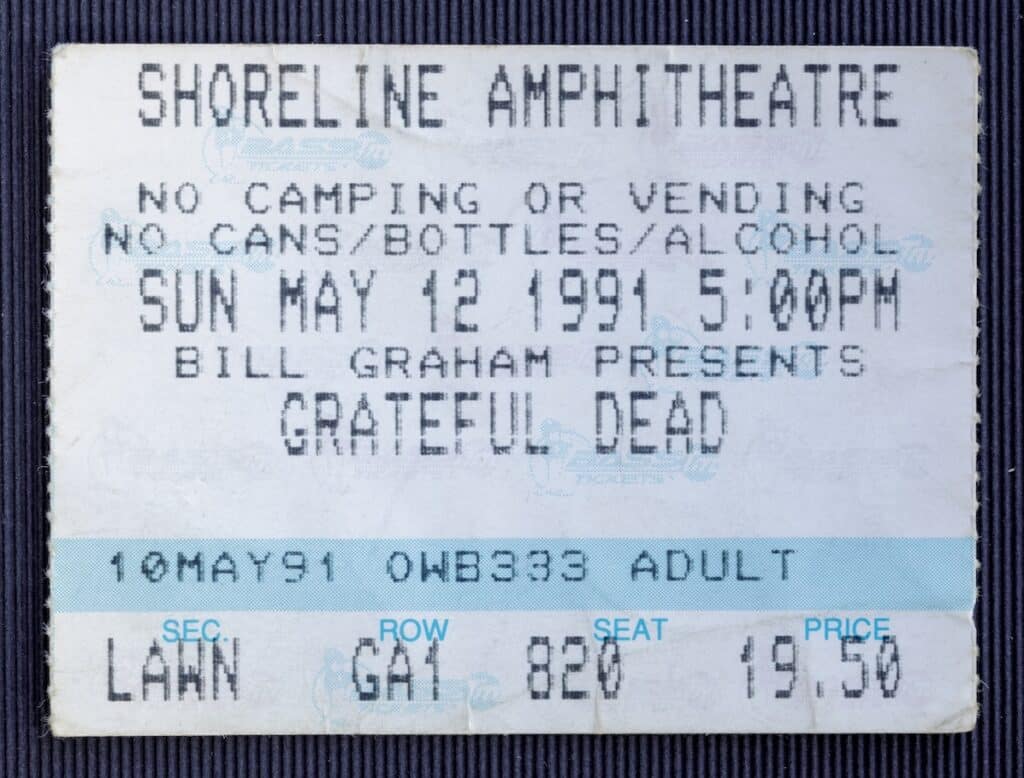
Mountain View, California – May 12, 1991 – Old used ticket for the concert of the Grateful Dead at Shoreline Amphitheater
Bob Weir’s passing, and my appreciation of his band’s music, reminded me of role music plays in outdoor culture for many members of our community. And this certainly isn’t the first time I’ve had this realization. A few years ago in this spåace, our Director of School Partnerships and Staff Development, Stephen Mullaney, shared playlists from several NCOAE team members in a post entitled, “The Quintessential Backcountry Expedition Road Trip Playlist.”
Some music genres and band types just seem to be more intricately intertwined with outdoor culture than others, and The Grateful Dead is definitely one such band. Other “jam bands” embraced by the outdoor community include (more…)
Wilderness Medicine on Ice
Wilderness MedicineFor some readers, the headline of today’s blog might spark visions of Disney on Ice, complete with professional figure skaters dressed as emergency medical technicians, gliding, spinning, and soaring through the air as they provide emergency medical care in a winter wilderness setting.
As they successfully evacuate the injured party from the ice, one skater performs a perfect triple axel in celebration. As for musical accompaniment, I’m thinking we should choreograph the entire scene to Vanilla Ice singing “Ice Ice Baby.”
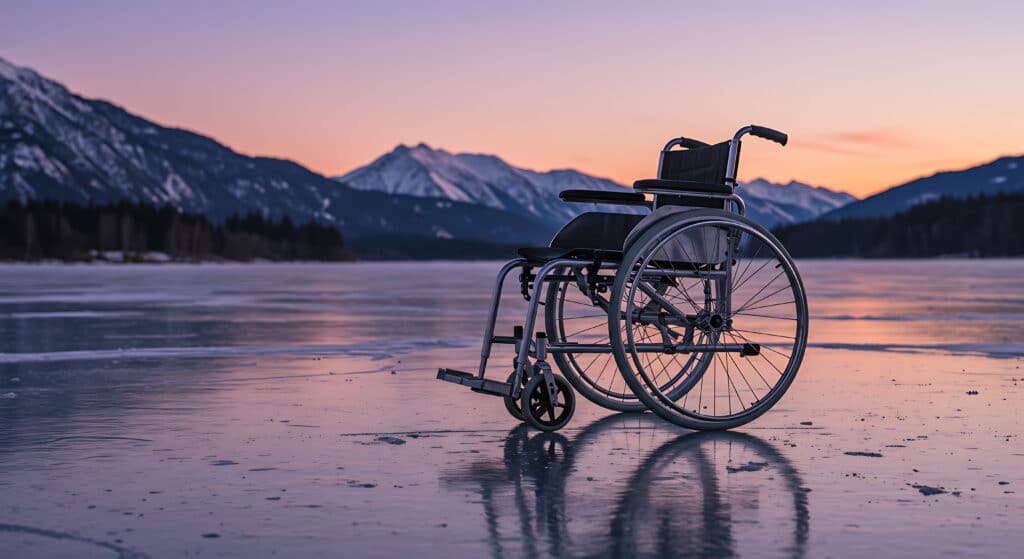
I only bring this to mind because it was around this time (1990) that Vanilla Ice released his hit video recording, “Ice Ice Baby.” I climbed Mt. Shasta in Northern California’s Cascade Range that winter, and I recall the approach provided intermittent views of the frozen water that would make up the majority of the climb. I came to the realization that providing medical treatment and making potentially life-saving decisions would be much more difficult to achieve in icy conditions and bitter cold than in more temperate conditions.
In the years since that icy climb, I have continued to enjoy ice and snow activities and have often participating in rescue operations, providing medical care in winter wilderness settings. In this post, I explore the unique challenges of providing wilderness medicine in cold, icy environments and lead you through the standard protocol for responding to injury or illness in these challenging conditions.
And, for a little fun, I’m going to weave in a few lyrics from “Ice Ice Baby” to reinforce key lessons. So, strap on your crampons and “Let’s Kick It!” (more…)
The Star of Life: Its Origin, Meaning, and Function
Emergency MedicineYou’ve no doubt seen the symbol below painted on the side of an ambulance, embroidered on the uniforms of emergency medical technicians (EMTs), or stuck to emergency medical equipment. Maybe you even wondered whether it had any meaning. What’s with the snake coiled around the staff? What’s the significance of the six-pointed star?
The Origin of the Star of Life
Emergency Medical Services (EMS) was formed in the United States in the late 1960s around the realization that survival rates were higher on overseas battlefields than on U.S. highways. The high mortality rate on our highways was due, in part, to the lack of an organized system for responding to accidents and treating injured parties.
As emergency medical services were becoming standardized in the United States, the National Highway Traffic Safety Administration designed and later trademarked the blue, six-pointed Star of Life to serve as the official symbol identifying EMS personnel, vehicles, and equipment. The symbol was introduced largely because the Red Cross emblem is (more…)
Adventure Meets Education: NCOAE’s High School Summer Semester for 10th and 11th Graders
High School Summer SemesterWhen high school students return to classes after summer break, they’re often asked to write an essay on “What I Did on My Summer Vacation.” For many, there’s not much to write about. Maybe a week spent with the grandparents or binge watching your favorite show on Netflix.
Instead, imagine spending a 32-day summer semester engaged in wilderness adventure, exploration, and learning in North Carolina, Oregon, or Ecuador.
Our summer high school semester, designed for rising 10th and 11th graders, offer students the opportunity to engage in hands-on, experiential learning and outdoor adventures, all under the guidance of our world-class, certified field instructors and guides.
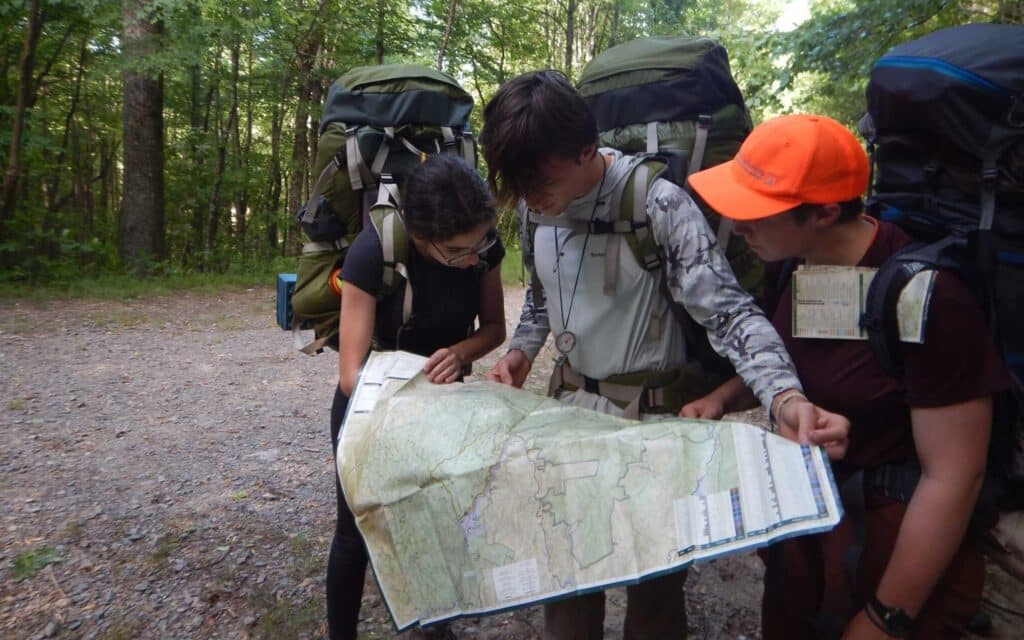
Throughout these monthlong NCOAE High School Semesters, which take place in June and July, or July and August, students participate in Honors-level Natural Science field research and study — all while earning high school credit.
Students also earn certifications in Wilderness First Aid, Leave No Trace (LNT), and Outdoor Leadership. These 32-day high school semesters blend academic rigor with outdoor adventures, leadership lessons and experiences, and exposure to activities that positively impact personal growth and development.
A High School Experience You Won’t Forget
Whether you choose to explore North Carolina from the Mountains to the Sea or the beauty of Oregon’s Cascades, or experience cultural immersion in Ecuador’s Andes Mountains, your High School Summer Semester at NCOAE will offer a learning experience like no other — a meaningful, memorable adventure that really gives you something to write about.
Each summer high school semester begins with a week of on-campus learning in preparation for the field experience. Students participate in a range of activities that offer a mix of academics, adventure, and team building. For example: (more…)
Safety in the Backcountry: Deciding When to Bail on a Trip or Adventure
Risk Management“What matters most is how well you walk through the fire.” ~ Charles Bukowski
When it comes to just about every worthwhile pursuit, the more you put into it, the more you get out. In the context of human-powered outdoor adventures, especially those that test your metal, that means pushing the limits and, for those of us who are thrill-seekers, risking life and limb.
Spending time in the backcountry is often more than simply experiencing the great outdoors; it often entails exposing ourselves to, and overcoming, adversity. Through the process, we hone our outdoor skills and build strength, coordination, and character.
Part of the attraction and much of the fun we experience when we engage in extreme outdoor activities such as mountaineering, whitewater rafting/kayaking, rock climbing, skiing, snowboarding, and so on, is the thrill. We choose to expose ourselves to an increased risk of injury or death, because that’s part of what makes extreme sports so much fun.
The secret to success is managing risk and adversity so an outing becomes a thrilling challenge while still preserving life and limb. While we crave an epic adventure that we can live to remember and talk about, achieving the right balance often involves deciding when to bail; when the balance between risk and reward is weighted far too heavily on the side of risk.
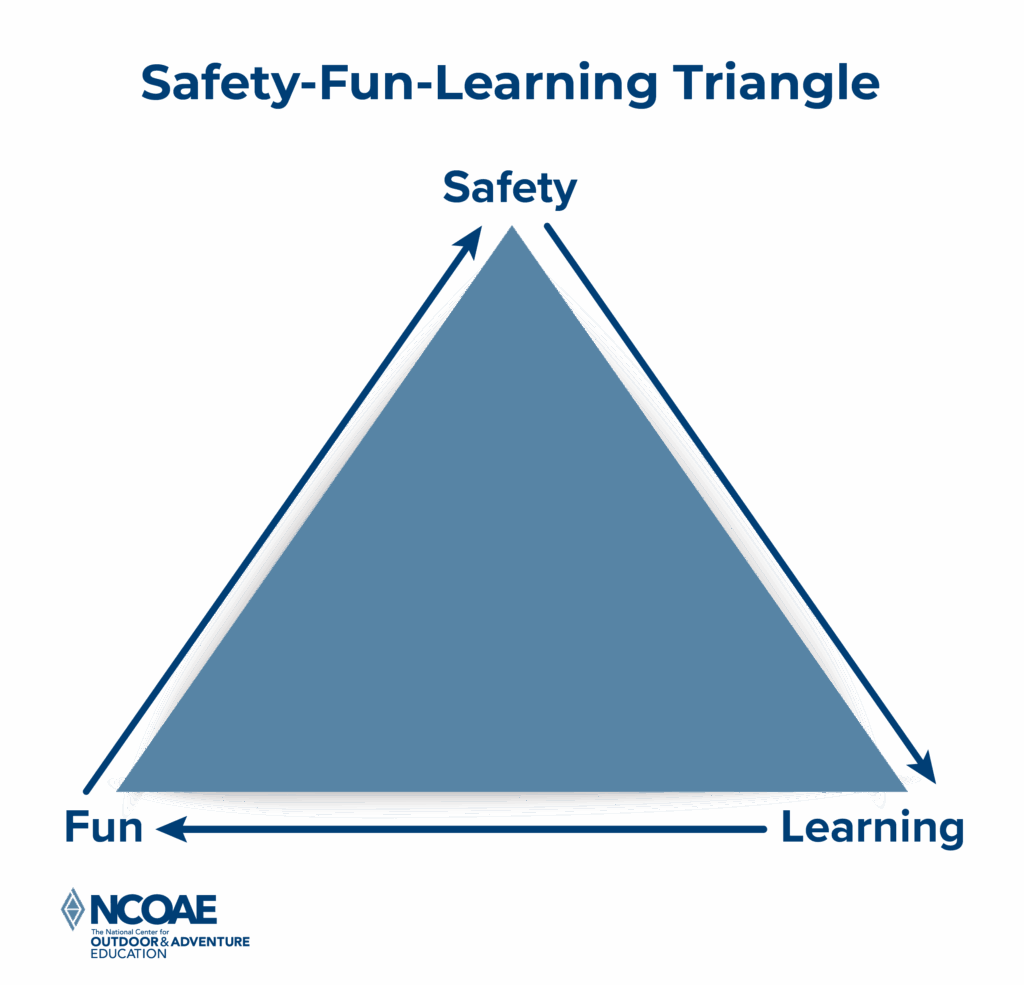
Here at The National Center for Outdoor & Adventure Education (NCOAE), we recommend using the following Safety-Fun-Learning Triangle as a guide to achieving the right balance:
Pre-Trip Bailing
It’s late on a Friday night and the floor is littered with maps, satellite images, weather reports and info I received from reputable sources.
Teeming with excitement, my brain narrows in on the largest, wildest expedition I can put together with the info in front of me. As the early morning hours of the next day approach, I have pared down my list to one or two realistic options (realistic for me).
Regardless of whether I am consciously aware of it, this trip planning I routinely engage in almost always involves pre-trip bailing. I start with “visions of grandeur” (more…)
TALK TO US
Have any further questions about our courses, what you’ll learn, or what else to expect? Contact us, we’re here to help!